A Complete Guide to Focus Stacking

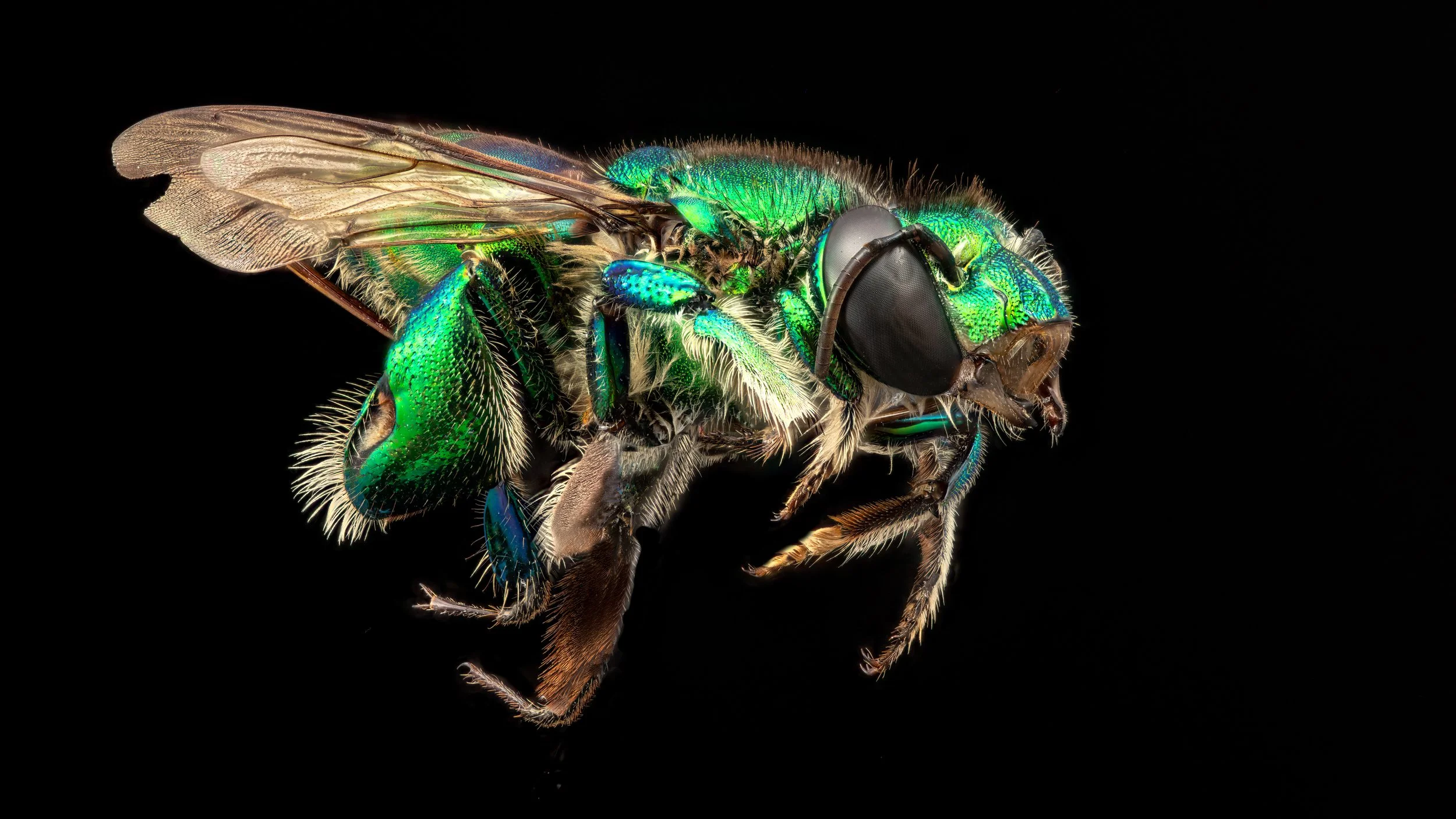
Orchid Bee in flight

Over the last several years I have talked a lot about focus stacking. Hardly surprising, as it is one of the core skills any serious macro photographer must master eventually. But as with everything, the technology has not been idle and much has changed in our approach to stacking, the equipment we use, and in the techniques we choose from. This all for the good, but it can leave some of us feeling a little overwhelmed and confused. I see this affecting my students in a variety of ways, but most commonly, when a student becomes overwhelmed by the endless barrage of choices and alternatives, they will disconnect from the process and settle for the set of principles that they are most familiar with - which are often times the same set of principles that were not working and caused them to seek guidance in the first place. This may be further influenced by the fact that we are surrounded by a community that is brimming with legitimate experts in this and many other fields. This can mean that the new student is sometimes intimidated or overwhelmed by the amount of advice offered by well-meaning colleagues and friends, each with their own variations and refinements, but who all want to support the struggling photographer.

Parasitic wasp - a portrait

My awareness of this phenomenon is not new and one of the measures I have been thinking about for years was to structure a course, actually several courses, covering this and a host of other topics, wherein I would lay out the fundamentals of, say, focus stacking in a way that the student could follow easily, while also providing them with a basis from which to evaluate new ideas, techniques, or gear as it became available. In other words, a practical blend of theory and practice. Enough of the former to really understand the latter. This would be a course that I would sell and that students could refer to  whenever they needed a concise but thorough review of the topic in question. It would also have the added benefit of generating some revenue for the channel, to help me pay the bills. I began writing the lesson plans, generating written support content and structuring the material into individual video sections. In fact I made quite a bit of progress over the last two years and have accumulated a significant collection of material for a dozen or so courses. Of course, the courses never materialized, because of one critical resource that has been chronically in short supply since the beginning. And that of course, is time.

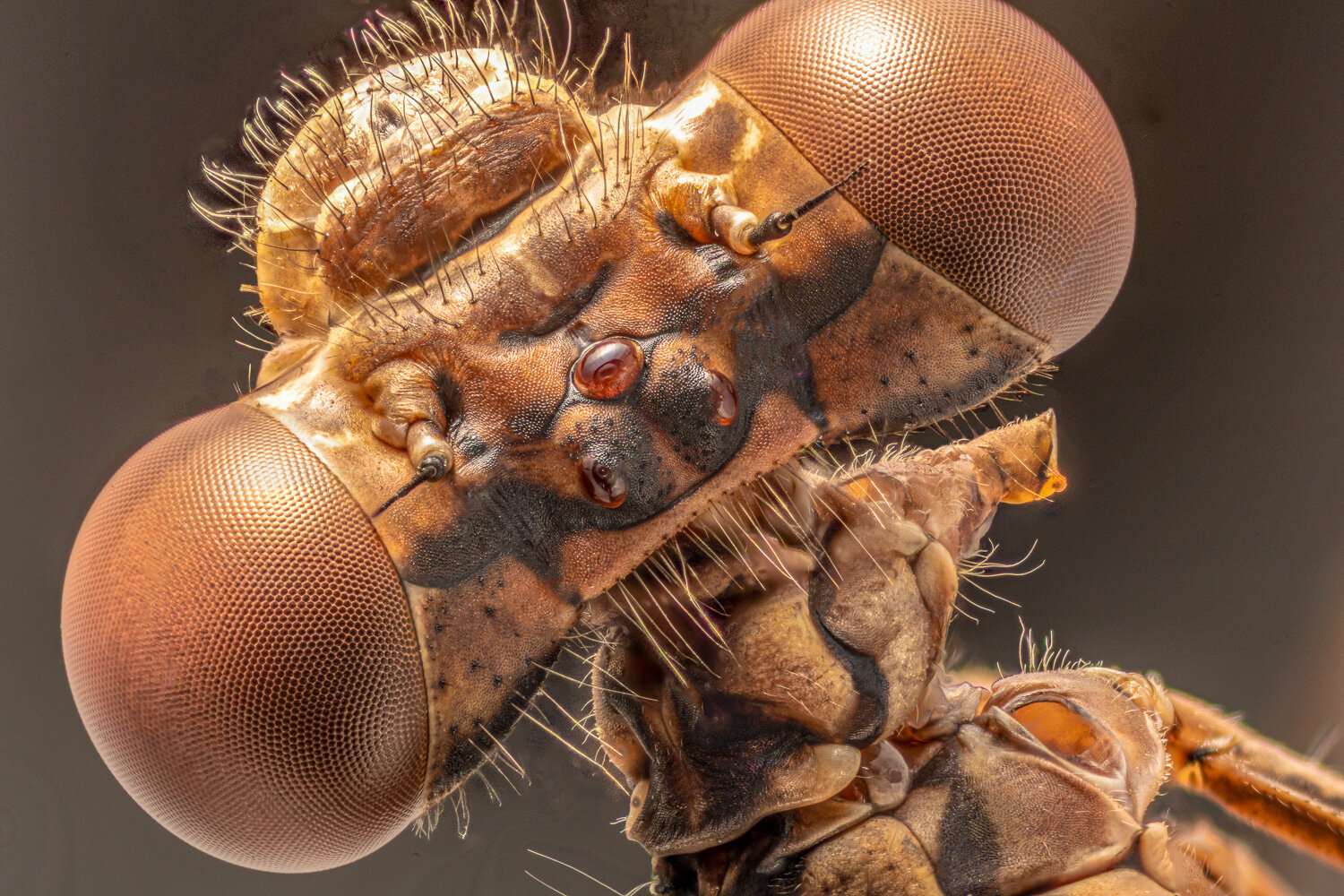
A damsel fly


Producing the content - recording, editing, marketing, selling, and supporting - takes time and it takes money, and my business model, such as it was, did not give me any flexibility in terms of time (and as proof of what a good business model it was, it also did not result in my making any money!). I have always believed that the content I make should be free to anyone who wants to take advantage of it. I cringe at the thought of charging someone for a for a service that I have not yet provided. I thought (and still think) this way because I also believed that those who benefited from the content and valued my work and feel moved to contribute something to the channel in return. And this was, in fact, what happened, though to a considerably lesser degree than I had hoped. I have never changed the business model because I still think this is the right way to do it. The result of this approach is that my first priority, from day one until today, is to produce the content that you find on my channel, at a level that is consistent and at a frequency that meets the expectations of my audience. But when I have that as my priority, there is no time left to do anything else. With an average of four events every week of the year, and given the amount of time it takes to write, research, generate support materials, and publish each block of content, there is barely enough time run the business, meet with students, and chip away at my mountain of correspondence before it is time to start all over again.

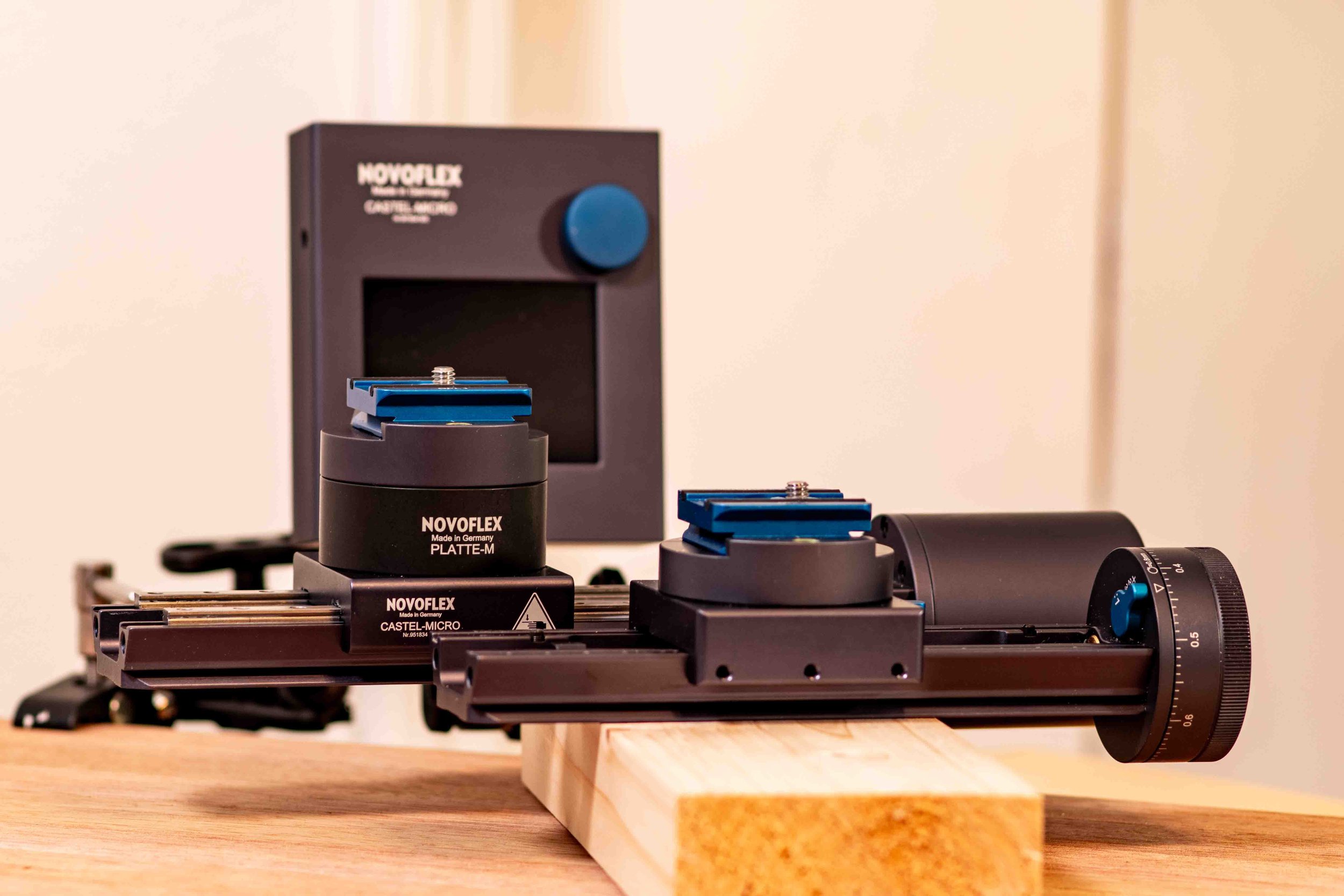
The best focus stacking hardware made


A word about my loyal band of Patreon Supporters… these folks are the reason the channel is still here after 7 years. Without them I would have had to pack it in a long time ago. I am deeply grateful for their support and encouragement and humbled by their kindness through the years. And it is because of the relationships that I have made with these individuals that I am unwilling to cut back on the volume of content I produce, which is something I would clearly have to do if I were to try to bring my courses to market. I would not feel right in doing that and would not expect them to continue supporting me if I did.

Tarsus of tiger beetle


What then should I do with this course content? I put a lot of work into it and I think it is about as close to a definitive treatment of the topic that I could come up with - so it seems wasteful not to use it. I won’t be around for ever and every week that rushes by is one less week in which I can put it to good use. I am never going to sell this courses material, and it is of no use to anyone while it sits stacked up on my shelf. That is why I will be releasing this first block of material over the next four livestreams. In the next two weeks, over four consecutive livestreams, I will give you everything I know about focus stacking… everything. There is no navel-gazing or philosophical meandering, just updated practical content, packed with recommendations for best practices, and actual, usable answer to questions like “what is the best step distance at 5X?”, or “where do I stick the pin?”, “what is the best tube lens for my objective?”, and “where does the diffusion material go, exactly?”. Each livestream will contain all the content from the planned course, though the delivery has been modified to suit the live format. Each stream will become a YouTube Video, accessible through my YouTube page, for the rest of time, so you can go back and rewatch any of the content at your leisure. I will put the videos in a special playlist so they are easy to find. And they will be free!*


So with all that out of the way let’s get down to business… The series is called “Focus Stacking”, Chapters I through IV and the first hour-long episode is the Tuesday at 8pm (11.11.25) - the link is here - https://youtube.com/live/tCFKWb8qT8I?feature=share.  The stream covers the fundamentals of stacking with a look at the problem of tiny depth of field with rising magnification, the concept of stacking, ways to move the focal plane, manual vs. automated focal change, the core limitations and common pitfalls of stacking, and how to choose the right equipment for your particular needs.


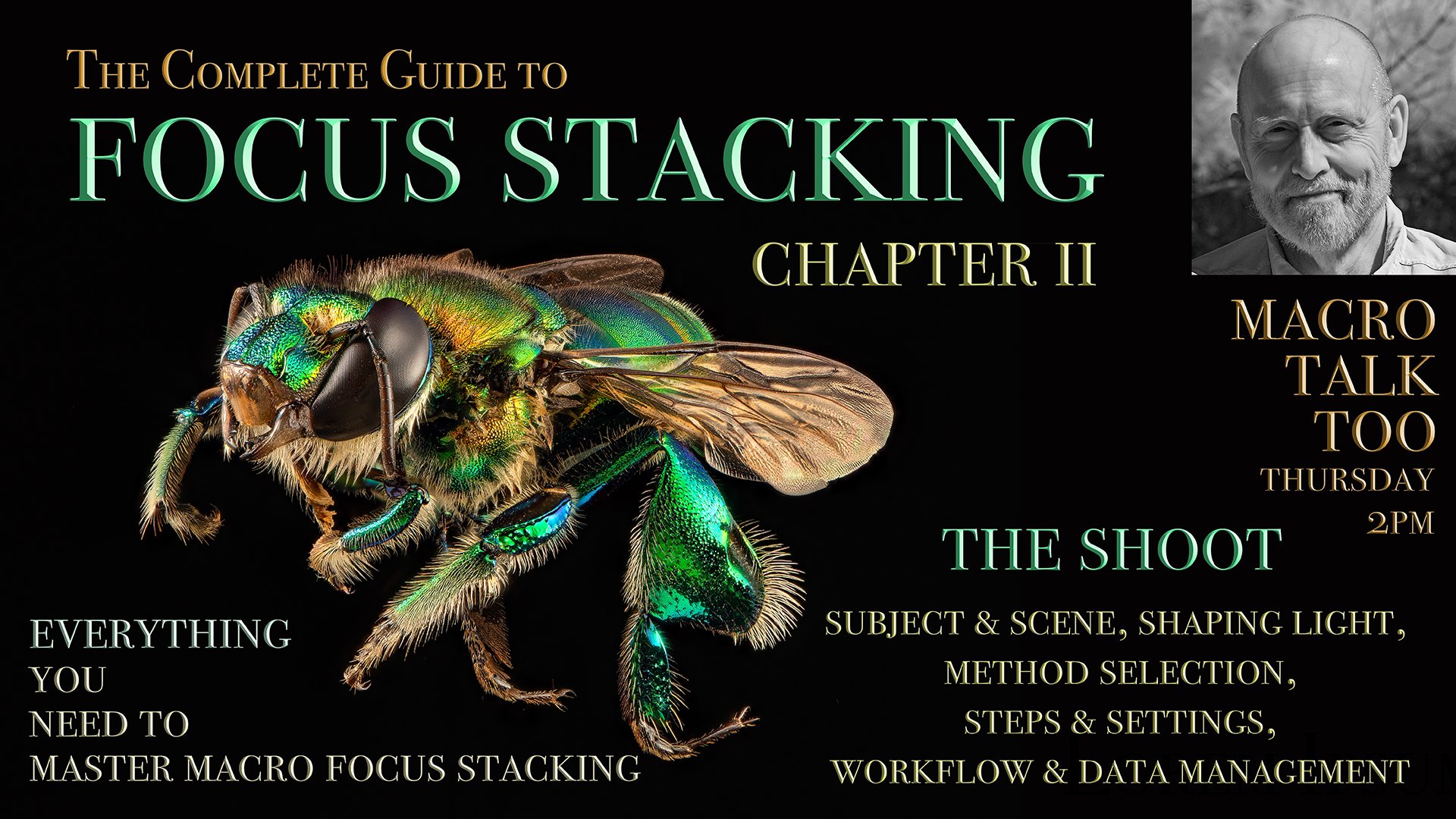
On Thursday we tackle Chapter II, “The Shoot”, in Macro Talk Too, at 2PM central time. In this jam packed hour we will cover the foundations of lighting, light modification and control, setting up the subject and the scene, choosing the correct stacking method for your use case, finding the right step length, camera and stacking hardware settings, the shooting workflow, and finishing up with data and file management. This is going to be the densest of the streams, but also the most important. Your link is here - https://youtube.com/live/fWEUvvSEna8?feature=share


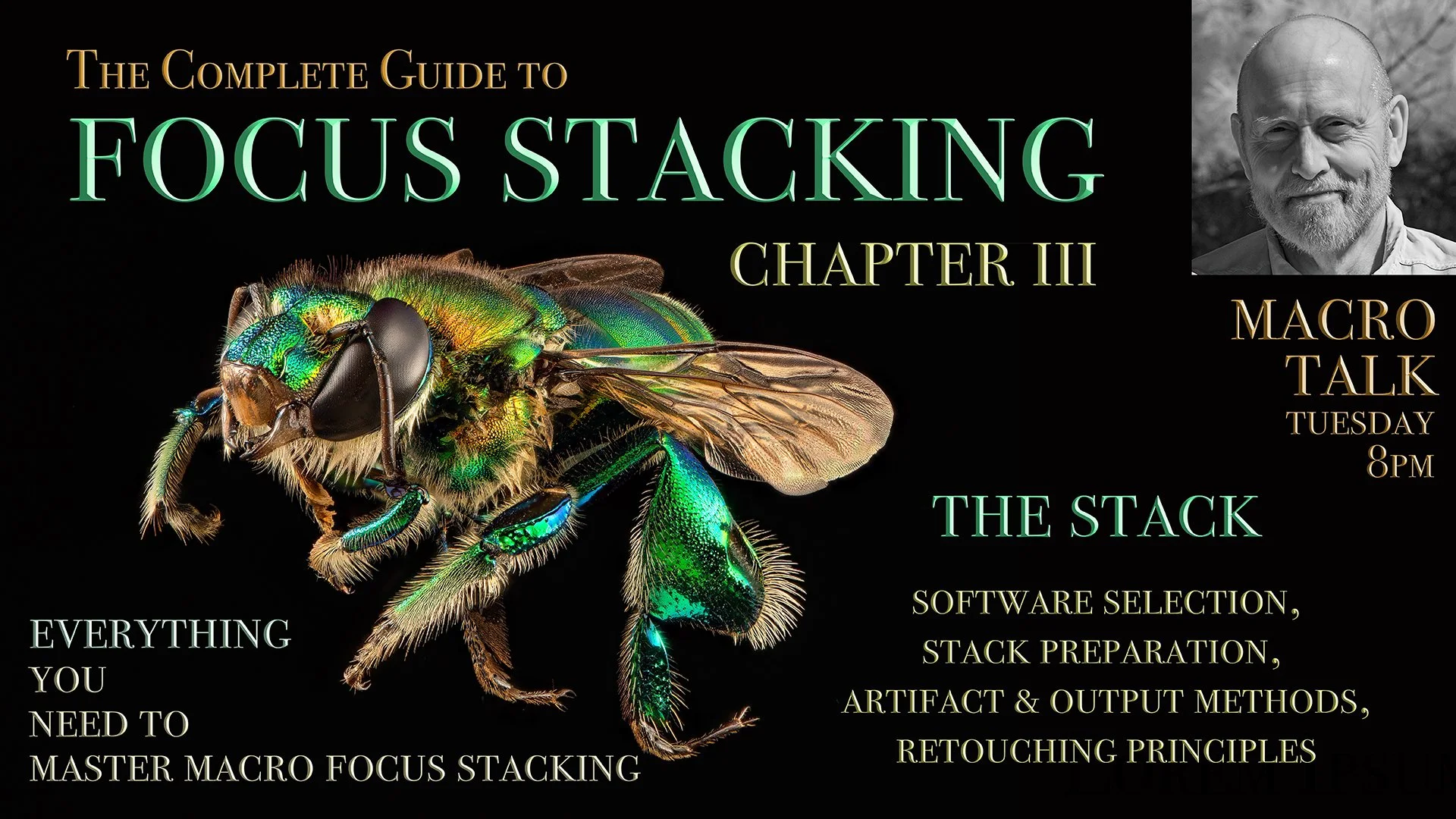
A week from Monday, at the usual time, we will dig into Chapter III - “The Stack” where we will talk about stacking software options and consider the benefits and drawbacks of each. Then we cover preparing and exporting the stack, software settings, camera settings, the output options and what they mean, the mysteries of retouching, exporting the final image, and retrieving it in Lightroom. We will talk about the options settings in Zerene Stacker, before briefly touching on retouching and artifact correction tips. I will include a live stacking workflow demonstration  to bring it a together. Join the stream by clicking here - https://youtube.com/live/D0Q7JgqGXa8?feature=share

On the following Macro Talk Too, Thursday the 20th of November, we will wrap up the series with Chapter IV. In this chapter we will consider the process of turning a retouched focus stacking output into an actual photograph. This will include a recap on the importance of good retouching and the absolute necessity  of establishing a post processing workflow. We will look at sharpening and finishing the image and discuss the options for exporting. Finally I will discuss the importance of critical evaluation of the final images and how this process is the key to ongoing improvement in focus stacking. The link is here - https://youtube.com/live/bt2z78SrkWQ?feature=share

* I should clarify - my terrible business model has not changed, so if you find that the content presented in the next four livestreams is helpful in some way, and you decide that it is even worth coughing up a couple of bucks, you can always toss some change in the hat (https://www.allanwallsphotography.com/donations is one way to do it - there are others in the show notes), or better yet, consider joining Patreon (https://www.patreon.com/allanwallsphotography). But you don’t have to - free means free.


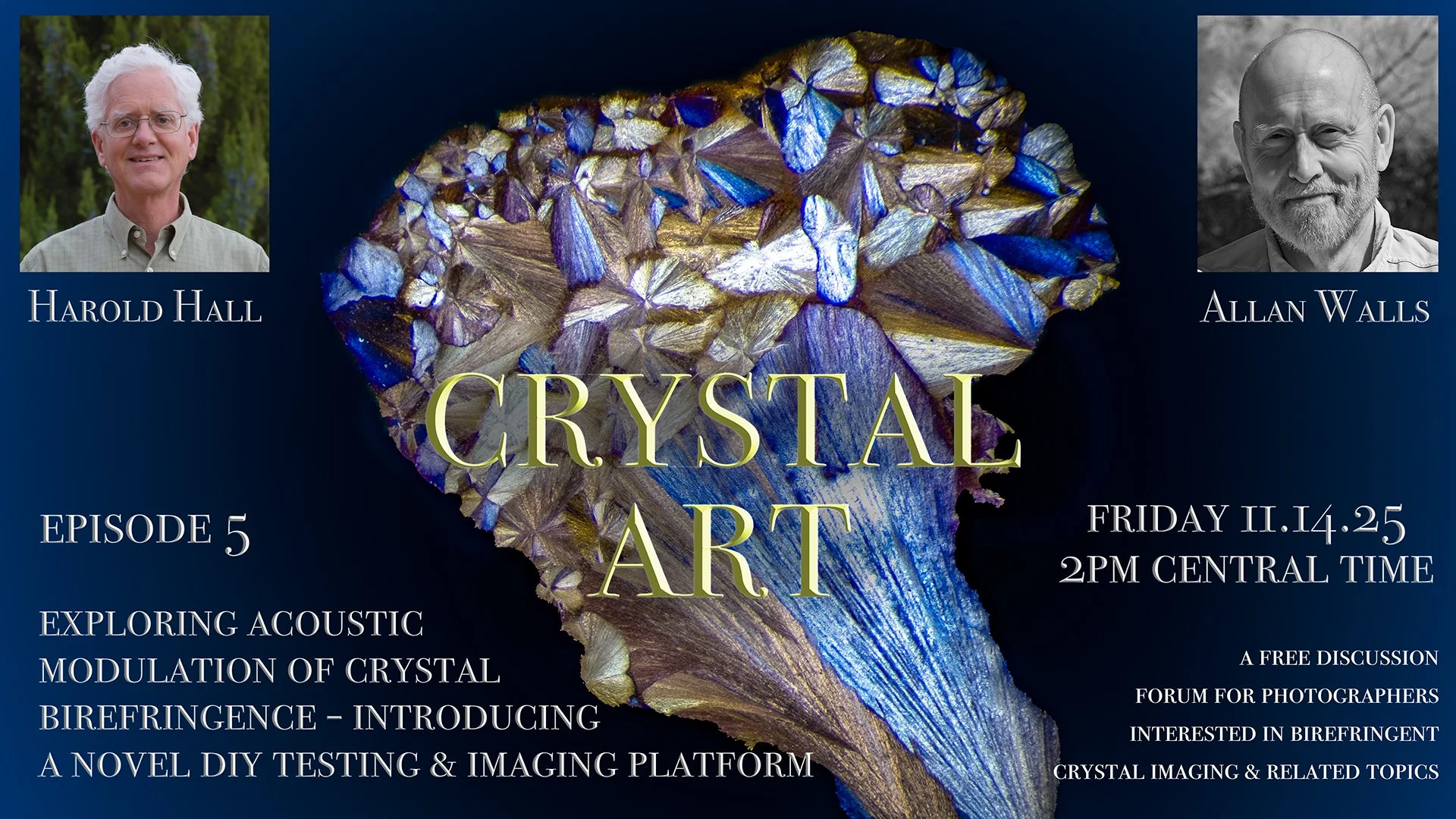
But that is not all that we have for you this week! On Friday we have episode 5 of Crystal Art with  Harold Hall. I am particularly excited about this meeting because I have something very interesting to discuss with my viewers. It concerns an experiment that I have been working on for the last couple of weeks, detailing the influence of modal acoustic vibration patterns on the birefringent properties of crystals exposed to these frequencies during formation and propagation. In order to establish and maintain the correct conditions under which these altered properties could be observed, I had to design and build a test platform that turned out to be much more involved than anticipated. On Friday I will introduce this device to the group and share my plans and drawings with anyone interested in following me down this fascinating rabbit hole. The idea of being able to “dial in” a predictable crystal structure at will is quite exciting. Remember that participation in this growing group is free and you do not have to have any experience at all in crystal photography to attend. We meet at 2pm central time on the second Friday of the month. Our meetings run to about 90 minutes and are recorded for posting on YouTube shortly thereafter. Your invitation to Crystal Art 5 is here:

Allan Walls is inviting you to a scheduled Zoom meeting.

Topic: Allan Walls’ Crystal Art with Harold Hall

Time: Nov 14, 2025 02:00 PM Central Time (US and Canada)

Join Zoom Meeting

https://us02web.zoom.us/j/6916802815?pwd=TS9tZi9ZL1NXeVUvOUF4eTg5YjdlZz09&omn=86587466328

Meeting ID: 691 680 2815

Passcode: 678122

Join instructions

https://us02web.zoom.us/meetings/86587466328/invitations?signature=7CsHiyLKFMCXSd7QvhsqIXlD_LsCUwl51eVK3O6AwhY


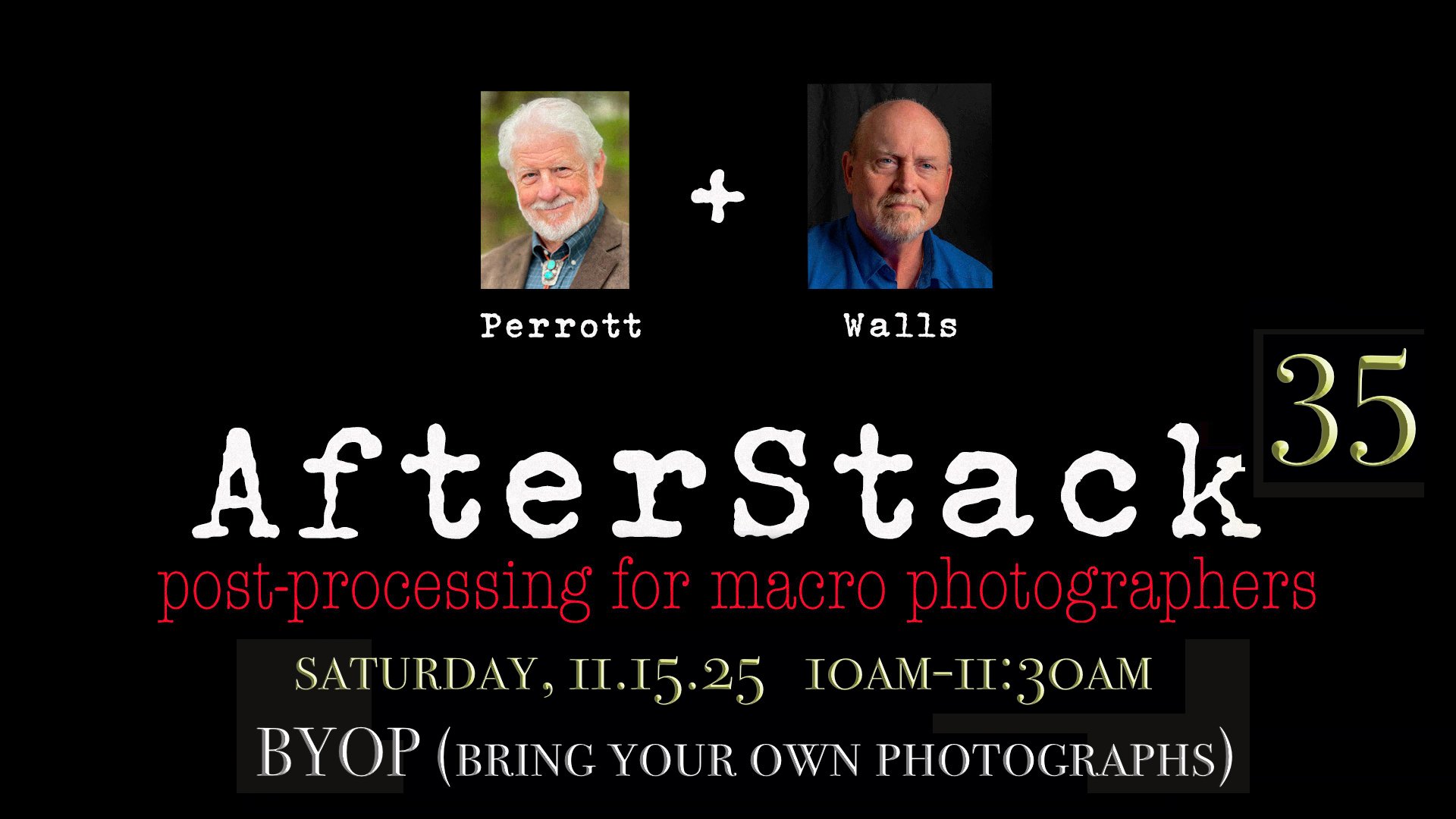
As if that was not already a busy week, we will also be hosting AfterStack35 with Bud Perrott, on Saturday 11.15.25 from 10:00 until 11:30AM. This week we are not setting a specific topic for discussion and instead are asking you to bring at least one of your own images, preferably one that you are having trouble post-processing to your satisfaction, for the group to discuss and for which to explore alternative editing options. It is a fun group and very often produces a lot of fresh and useful ideas for post-processing improvement. Please join us for this free live discussion on Saturday. Your invitation is here…

Allan Walls is inviting you to a scheduled Zoom meeting.

Topic: Allan Walls’ AfterStack 35 with Bud Perrott

Time: Nov 15, 2025 10:00 AM Central Time (US and Canada)

Join Zoom Meeting

https://us02web.zoom.us/j/6916802815?pwd=TS9tZi9ZL1NXeVUvOUF4eTg5YjdlZz09&omn=81814455645

Meeting ID: 691 680 2815

Passcode: 678122

Join instructions

https://us02web.zoom.us/meetings/81814455645/invitations?signature=gZmiYwshVtxhaiqLOR8qRK9qhmVWPA_1m5qbimTAg14


I look forward to seeing you at one of these upcoming shindigs - we have a lot to talk about!

Insect gymnastics


And one last thing - I know that many of you are advanced experts in the area of focus stacking and may be less than enthusiastic about spending an hour listening to me prattle on about it, but I would urge you to reconsider. It is true that this material was written for the new student, it does not stay at the beginner level for long. This is a comprehensive treatment of the subject and covers some advanced and even controversial ground. It is written for students who are interested in progressing fast and motivated to return to topics that they may have missed on the first attempt. I think even the experienced macro photographer will find this group of discussions to be a useful review that may even offer some fresh insights to consider. And one other thing… you can help me answer questions from those who are laboring behind you on the road - and for that I would be most grateful!


Screw-ups & Gadgets


Another weekend has been vacuumed up by the past and we are officially in what Middle Earthers quaintly refer to as “summer”. As I look out the little slit windows of the bunker, it doesn’t look like summer to me, but it might be warmer than it looks. I would have to go outside to be sure, and who has time for that!?


We had a fun AfterStack this weekend and I will have the recording up on YouTube later today. We talked about making graphics from photographs and it was a lot of fun. The rest of Saturday was spent in the workshop, making and testing various ides for a vertical mounting system for converted microscope focus blocks. I came up with one that works and spent a few hours adding this feature to the focus blocks that I will be shipping out this week.

The new vertical mount for my BH2 conversion


This is competition week, and Rik Littlefield and I have come up with a plan for judging the entries. We both have the images and will be spending a couple of days looking through them before we meet for the grand judging on Wednesday. That will leave me a couple of days to get any editing done and post the results to YouTube. I won’t be discussing the actual results in either livestream as I don’t want to steal any of Rik’s thunder. I’ll let you know when it drops.

stereo seeds


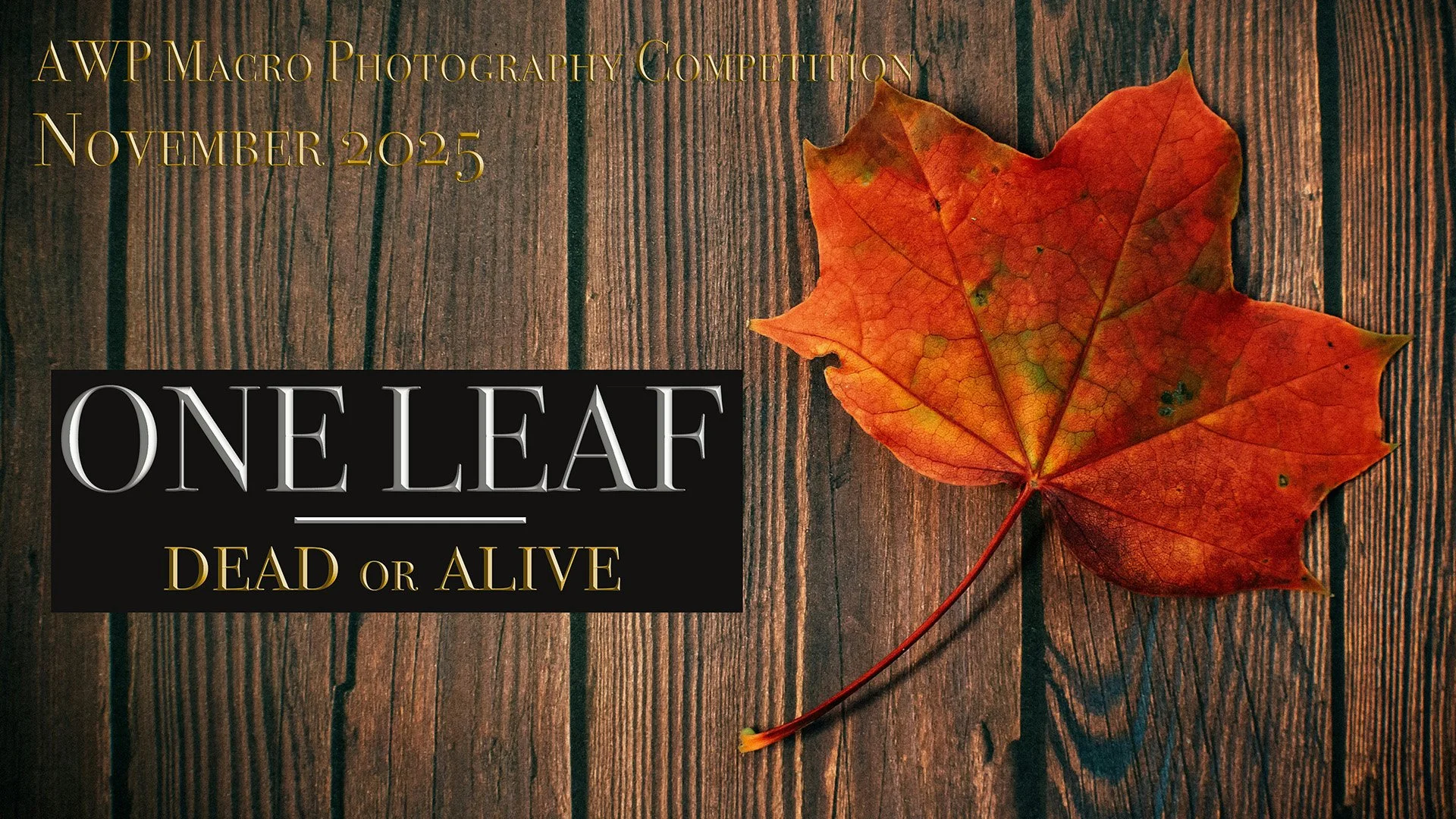
This month the competition is a macro wildcard - any macro subject and everyone is welcome to submit up to two entries, which will be independently judged by me and my AI sidekick, Cindi. I can’t wait to see how this turns out!


Jumping ahead to Saturday’s Pzoom - I am hoping to get my guest Lightroom expert, Lester Lefkowitz, to drop in for a chat about his system for organizing his Lightroom Catalog. If we can get this all worked out by then you can expect a recording of this discussion to be posted to YouTube shortly after that. If we can’t get that arranged for this week, I have a backup plan. Part of that plan is to give a report on several new features I am adding to the channel - some exciting stuff that I think everyone is going to enjoy. It’s all top secret until I have had a chance to run it by my Patreon gang - I don’t do anything until I’ve run it by them. By the way, if you have ever considered doing something super cool, like supporting a YouTube content creator and, in exchange, becoming part of the macro-cognoscenti (we are working on a secret handshake), then now is as good a time as any to truck on over to www.patreon.com/allanwallsphotography and become a legitimate hero.


Turning back to the present, I have a couple of unique and, I hope, fun livestreams to tell you about for this week. On Tuesday, in Macro Talk (8PM central time) I am going to talk about some of the idiotic mistakes I still make in macro photography. I have a lot to choose from!

We all make mistakes — but sometimes those “oops” moments lead to unexpectedly decent images.

In today’s livestream, I’ll share some of my biggest and most consistent macro misfires: focus stacks gone wrong, studio stupidity, field follies, and other misadventures. Along the way, I’ll show you a few of my really “bad” pictures that I still love — and try to explain why they still work (at least for me).

A terrible picture that I love anyway


Honest talk, practical tips, and a gallery of goof-ups. Whether you’re a beginner or a seasoned macro nerd, you’ll laugh, cringe, and (hopefully) learn.

Your link is right here … https://youtube.com/live/cmMZw2Pq-Zw?feature=share


In MacroTalk Too, on Thursday at 2PM, we turn our attention to those dirt cheap, must-have gadgets and gizmos that are always close at hand!

You don’t need to spend a fortune to make unforgettable macro photographs. In this livestream, I’ll show you a selection of the best cheap gear and accessories I’ve ever used — all under $20 — along with the actual images they helped me create.


From homemade backgrounds and lighting hacks to clamps, brushes, and tiny tools, each item tells a story — and every one of them earned its place in my kit.

If you’re a beginner building your macro toolbox, or a seasoned pro who loves a good budget hack, join me for this fun and practical tour of the little things that make a big difference.

Here is your link to MTT … https://youtube.com/live/ZpvVY5QefVU?feature=share

And PS - bring a few of your own gadget hacks to share with the world


I am going to keep it short and sweet today - I have a mountain of Monday work still waiting on me. Please try to make it on Tuesday or Thursday - I hope to have an announcement or two to share with you!


Oh, and PPS - I have looked at the stereo submissions for last month’s contest, and they are AMAZING! Way to go, guys!!!