Photography and Agentic AI

Turning Eight Years of Work Into a Living System

Artificial intelligence is rapidly changing how creative professionals work, and photographers are no exception. In this article, I explore how agentic AI — a structured AI assistant built from large language models — can help organize, retrieve, and repurpose years of educational photography content. Drawing from my experience as a macro photography educator, I explain what an AI Agent is, how it differs from a basic chatbot, how it works behind the scenes, and what photographers should understand about accuracy, hallucinations, ethics, and long-term maintenance before building one of their own.
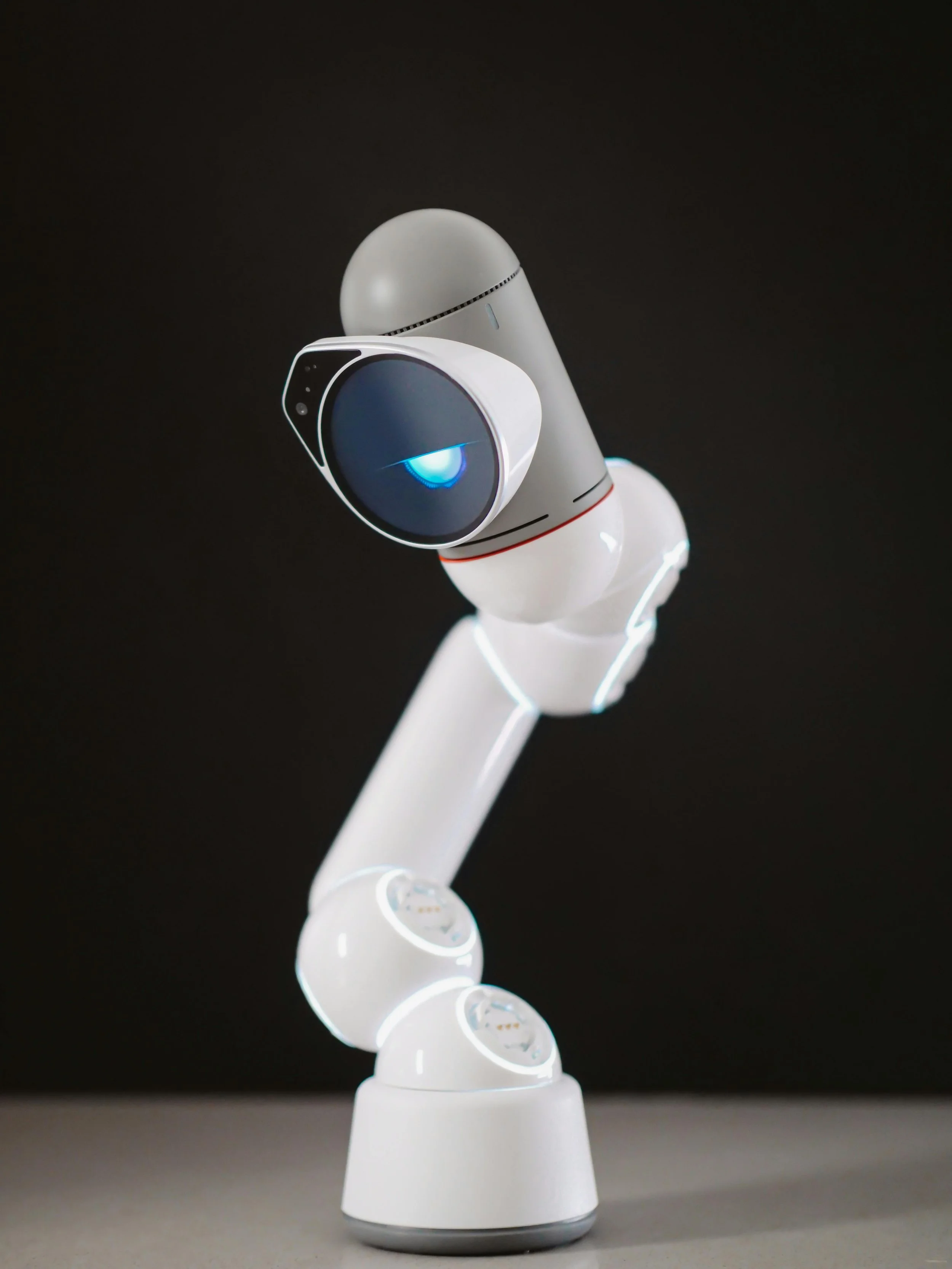
a wee robot


I am not a computer expert — not by any stretch of the imagination — but I have not been able to resist the attraction of artificial intelligence.


We are living through a period of change that feels historically unprecedented. Computers are rapidly approaching — and perhaps already crossing — what futurist Ray Kurzweil described as the Singularity: the moment at which technological intelligence surpasses human intelligence and begins improving itself faster than humans can meaningfully understand or control. Whether or not we have fully reached that point is a matter of debate, but few would deny that we are living in a period of extraordinary acceleration.
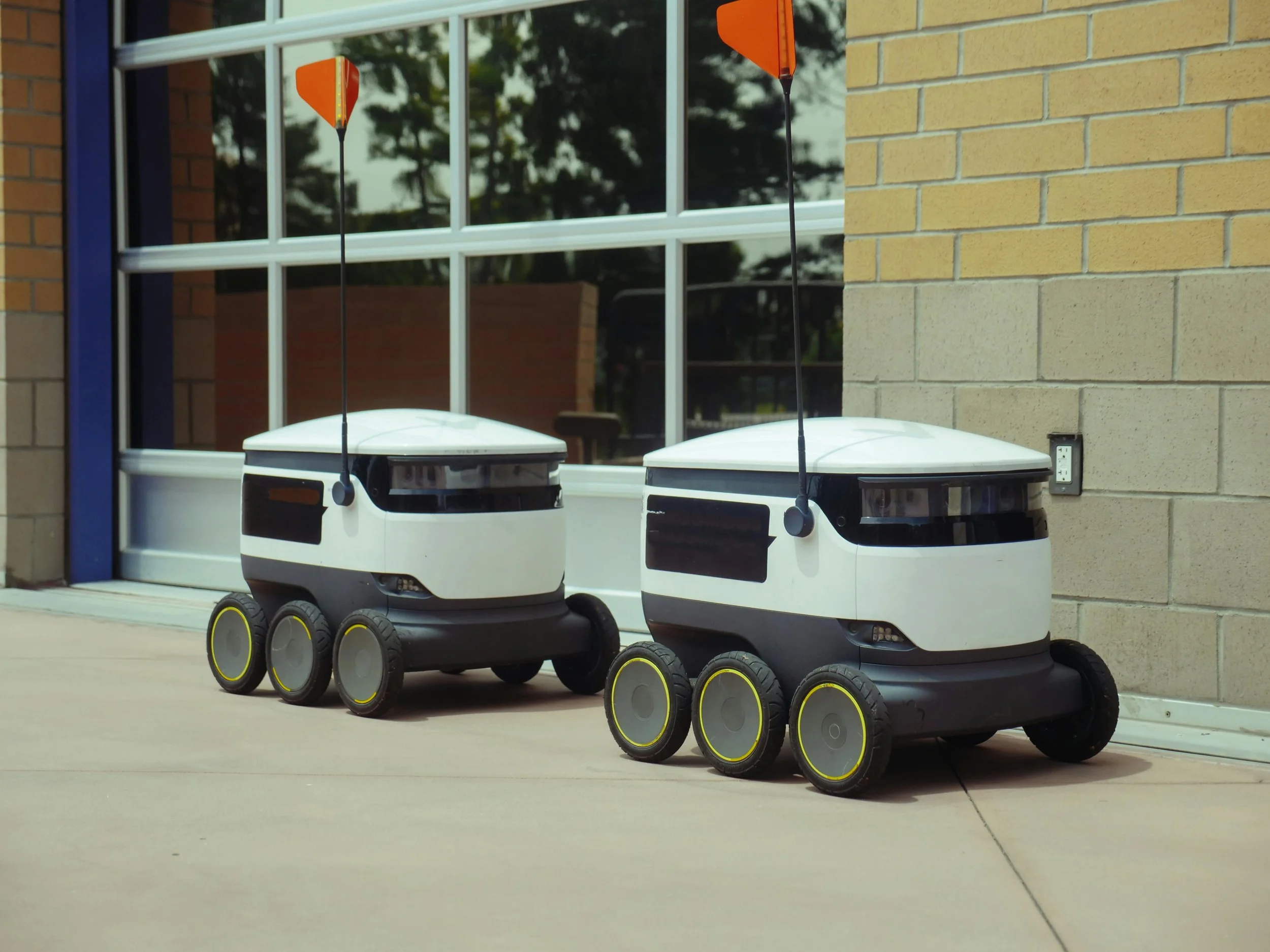
two wee robots deliver lunch


Watching this unfold is both fascinating and unsettling. At some point over the last two years, I made a conscious decision that I would not be a passive observer of this process. Since the earliest public releases of large language models, I have tried to stay informed and to explore whether these developments might have practical relevance to my work as a macro photography educator.


What follows is not expert advice. It is a report from the field — my experience building what is known as an AI Agent to address a growing problem within my own body of work.
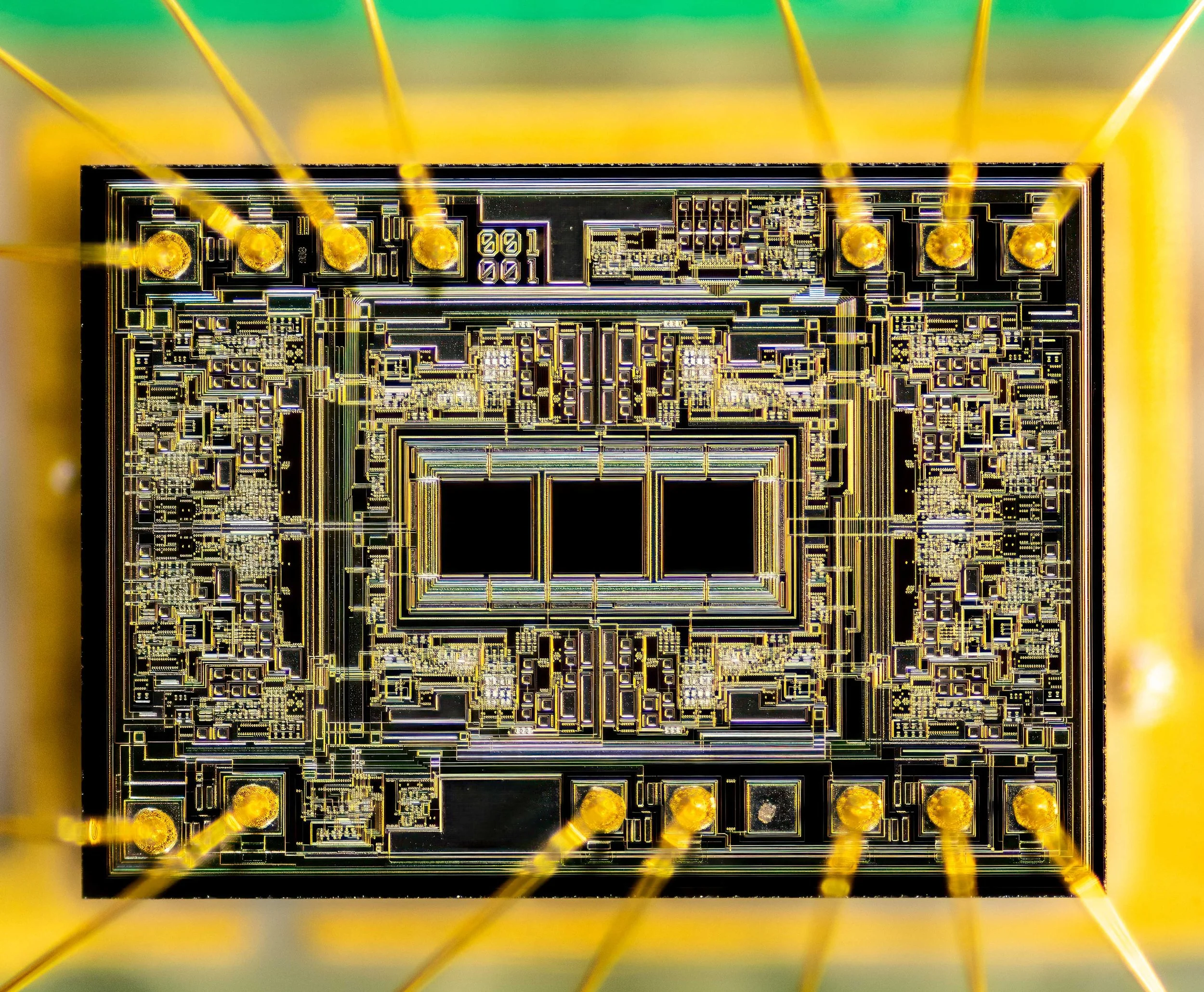
A computer chip - sensor


The Problem: When Creation Outpaces Organization


Modern photographers — especially those who teach — face a peculiar paradox. We create more content than we can effectively organize.

mosquito’s eye, for no particular reason


After eight years of videos, livestreams, blog posts, downloadable PDFs, lesson notes, gear breakdowns, and thousands of viewer interactions, I found myself sitting on a tremendous archive of useful material that was becoming increasingly difficult to access. The problem was not a lack of information. It was retrieval.


I did not need more content. I needed a way to find and reuse what I had already created.


What I really needed was an archivist — someone who understood my work well enough to locate a specific explanation from a livestream three years ago, compare it with more recent guidance, summarize the differences, and present the result in a useful format.
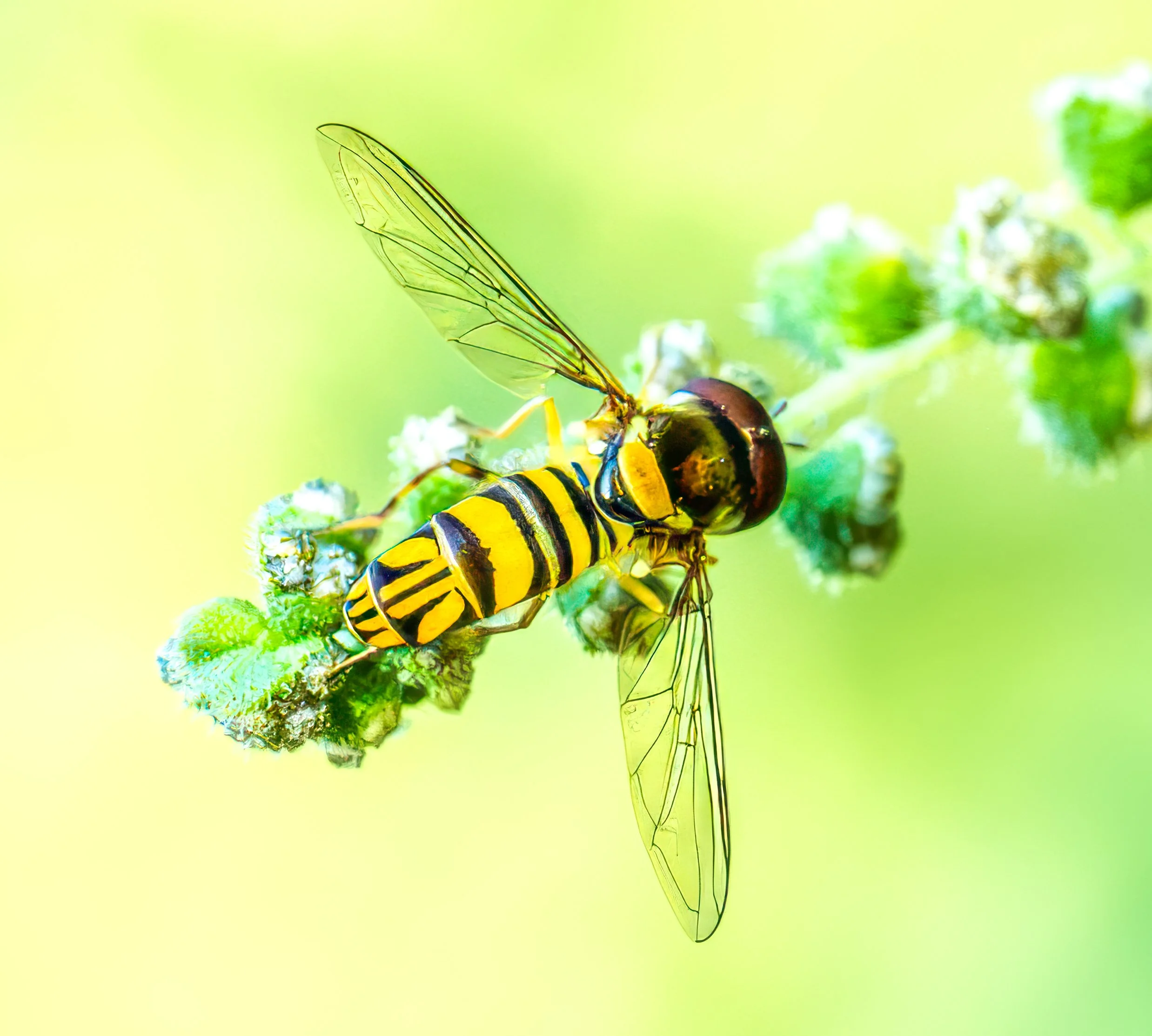
Hoverfly takes a rest from hovering


The question that naturally followed was this: Isn’t that exactly the sort of task large language models are designed to handle?


It seemed straightforward. It was not.

What my desk would look like if it were clean and tidy


What AI Is — and What It Is Not

Before describing the solution, it is important to clarify terms.

Artificial intelligence, broadly speaking, refers to software systems that perform tasks we associate with human cognition: recognizing patterns, generating language, classifying information, and making predictions. Large language models, or LLMs, represent a subset of this field. They generate text by predicting the most statistically probable next word or token based on context.
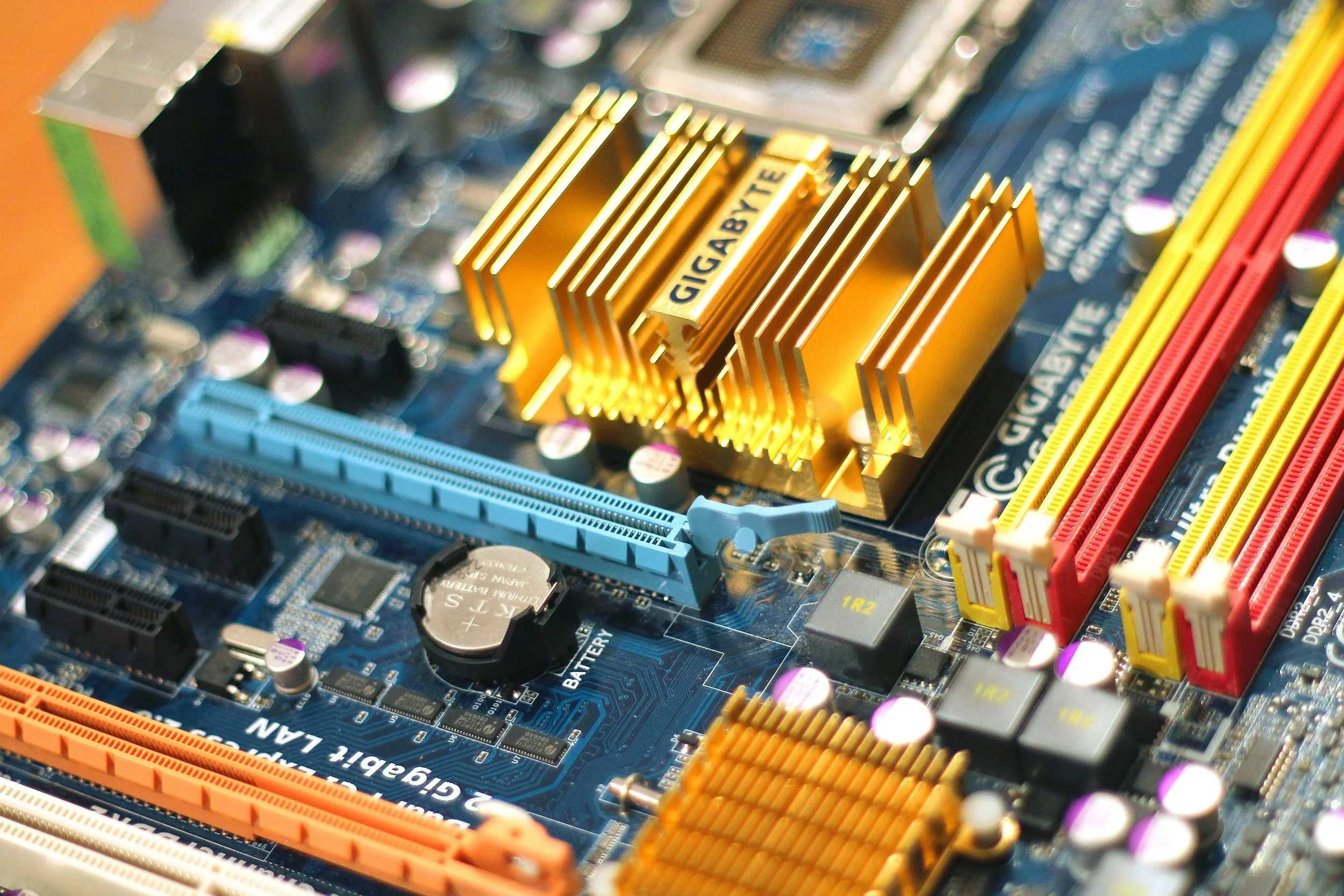
The mother of all boards


An LLM does not understand in the human sense. It does not think, reason, or possess awareness. It generates output based on probability patterns learned from vast amounts of data. Its fluency can easily give the impression of comprehension or authority, but fluency is not the same as truth.


This distinction matters. An LLM can be extraordinarily useful. It can serve as a catalyst for ideas, a drafting assistant, and a tool for synthesis. But it is not infallible, and it does not possess judgment. The responsibility for accuracy remains entirely with the human operator.
Wrong kind of agent


What Is an Agent?


A standard chatbot answers a prompt and stops.

An AI Agent is something more structured. It is a system that can take a goal, break that goal into steps, retrieve relevant material, apply rules, and generate structured outputs. It may use tools such as file systems or databases, and it can be constrained by explicit behavioral rules.

The system I began building — which I have tentatively named the AWP Content Agent — is trained exclusively on my own published material. It is intentionally isolated from the broader internet. Its purpose is not to generate new opinions, but to retrieve and organize what I have already said.
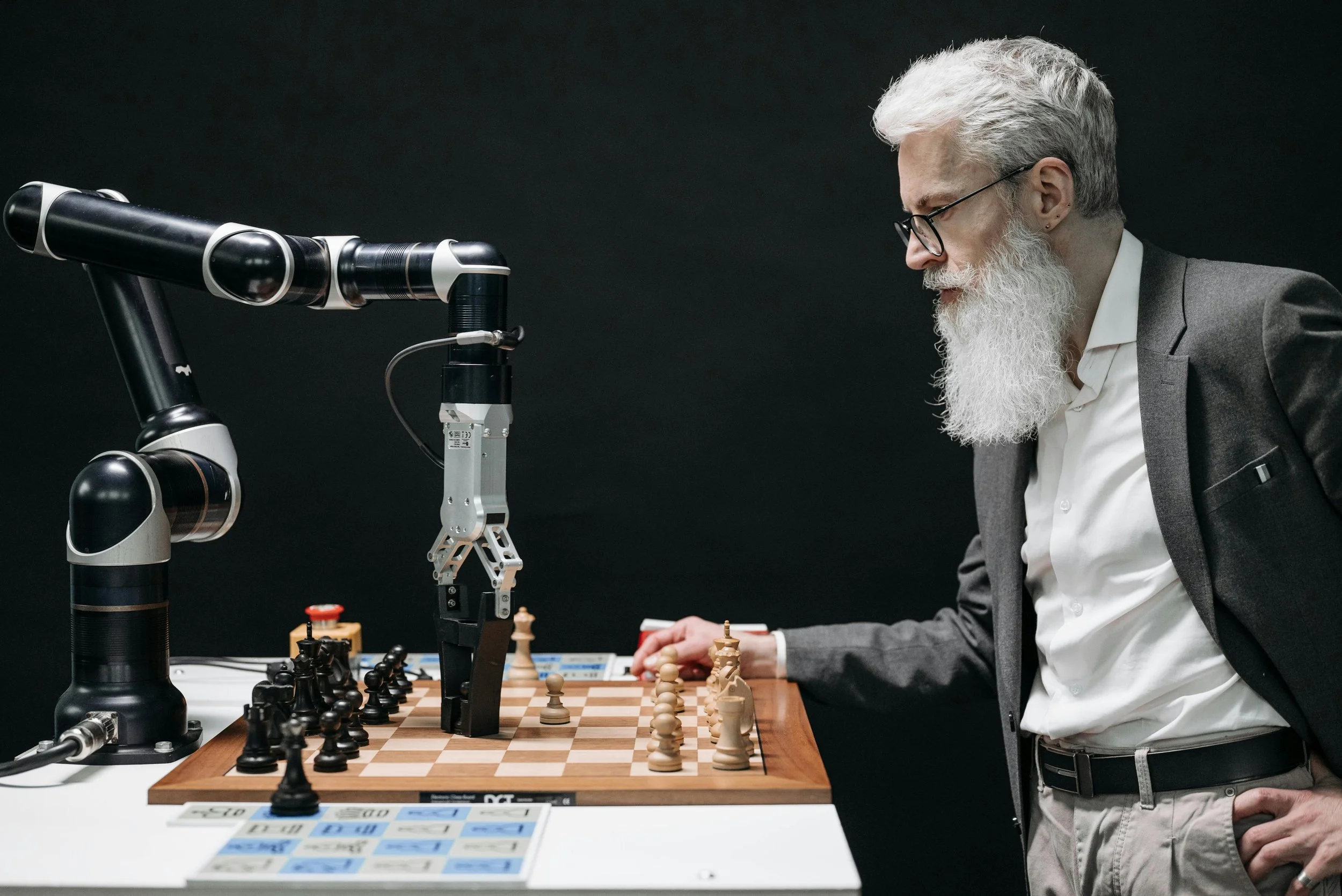
Clever robot (right) plays chess with robotic arm (left) and loses


In practice, it functions as a librarian, research assistant, editor, production assistant, and quality-control reviewer. It can locate prior explanations, summarize recurring themes, assemble structured lesson outlines, and identify contradictions across time.

For someone managing a large technical archive, this is not a novelty. It is a force multiplier.
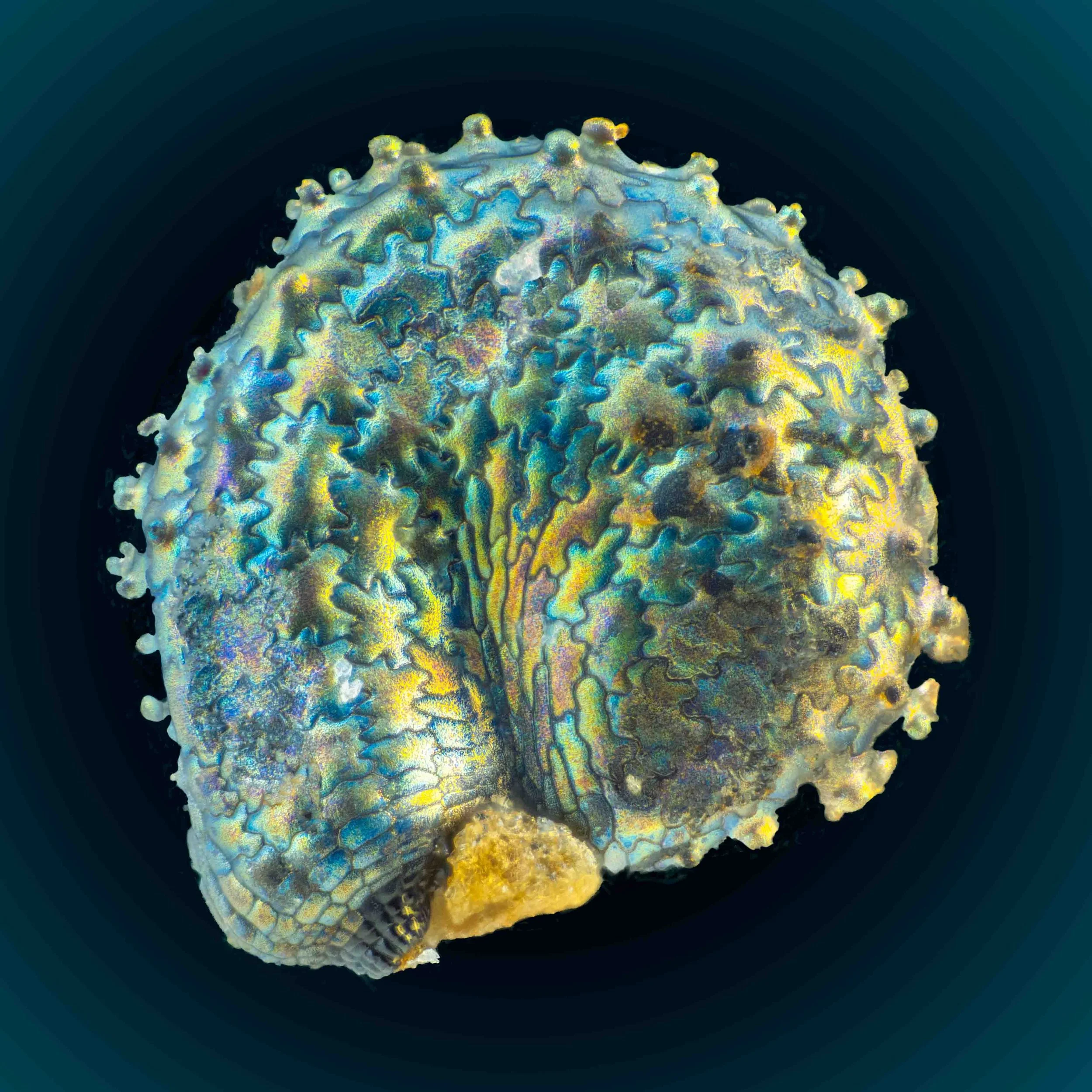
Portulaca seed (from the planet portulaca)


Why This Matters in Macro Photography

Macro photography is unusually dense with technical variables. Discussions of magnification quickly intersect with numerical aperture, diffusion geometry, stacking artifacts, vibration control, rail calibration, and specimen preparation. Explanations overlap. Advice evolves. Positions refine over time.

As a result, the same foundational concepts may appear across dozens of videos in slightly different forms. Over the years, improvements in understanding inevitably introduce inconsistencies. Viewers asking thoughtful questions often require cross-referencing multiple past explanations.


Manually managing this level of complexity becomes impractical.


An agent grounded in my own curated archive has the potential to retrieve all instances of a specific topic, prioritize the most recent guidance, and present a cohesive summary. It can transform a static archive into a working knowledge system.
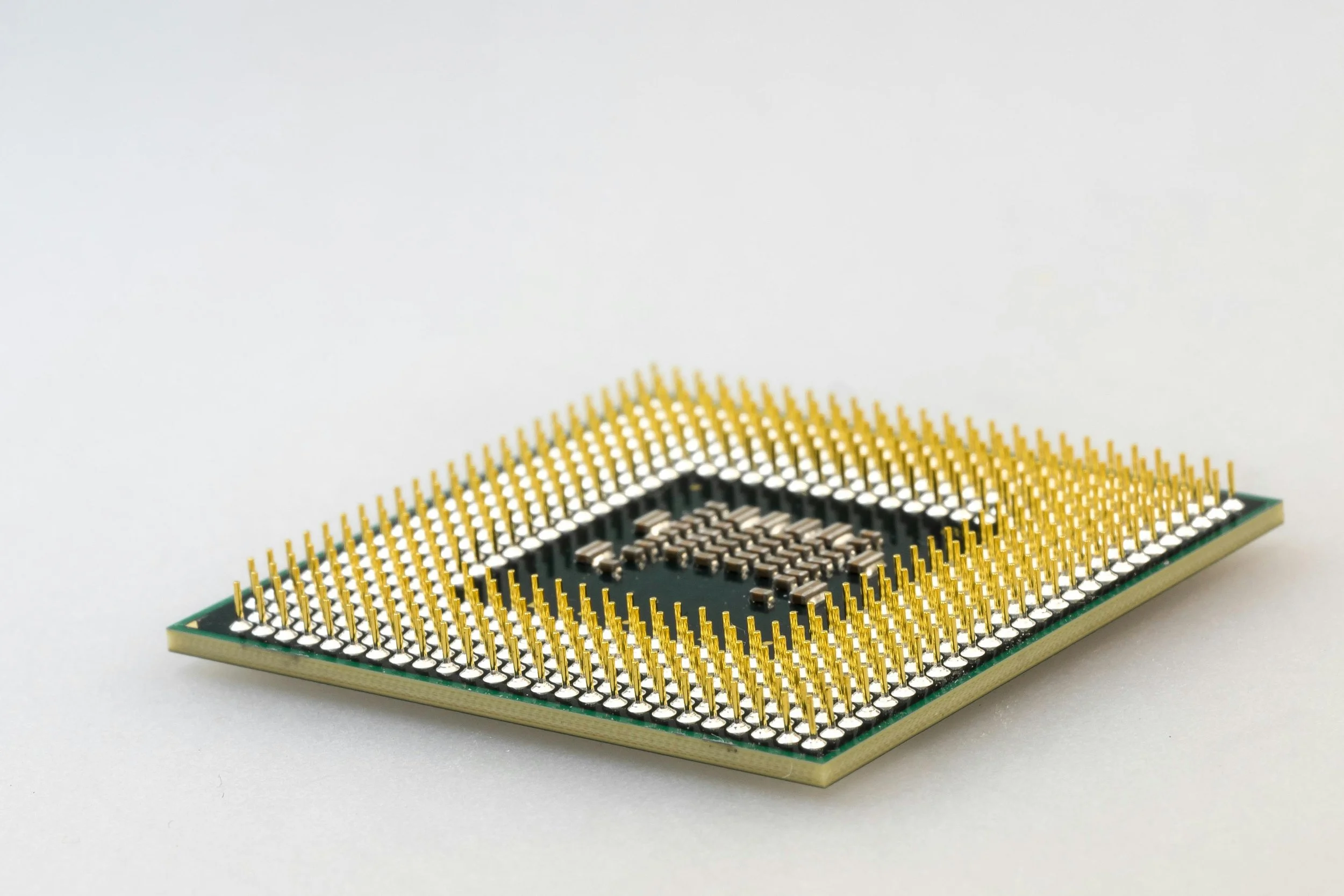
An escaped computer chip


The Hard Lesson: Curation Determines Quality

I initially imagined that I could simply “feed” my entire body of work into an AI system and allow it to organize everything automatically.

In reality, the quality of the agent depends almost entirely on the quality of the corpus it is given. Content must be cleaned, structured, labeled, dated, and tagged. Canonical versions must be separated from drafts. Outdated guidance must be clearly marked. Metadata must be consistent.

Without disciplined preparation, retrieval becomes unreliable. The model becomes prone to hallucination, contradiction, or overconfidence.
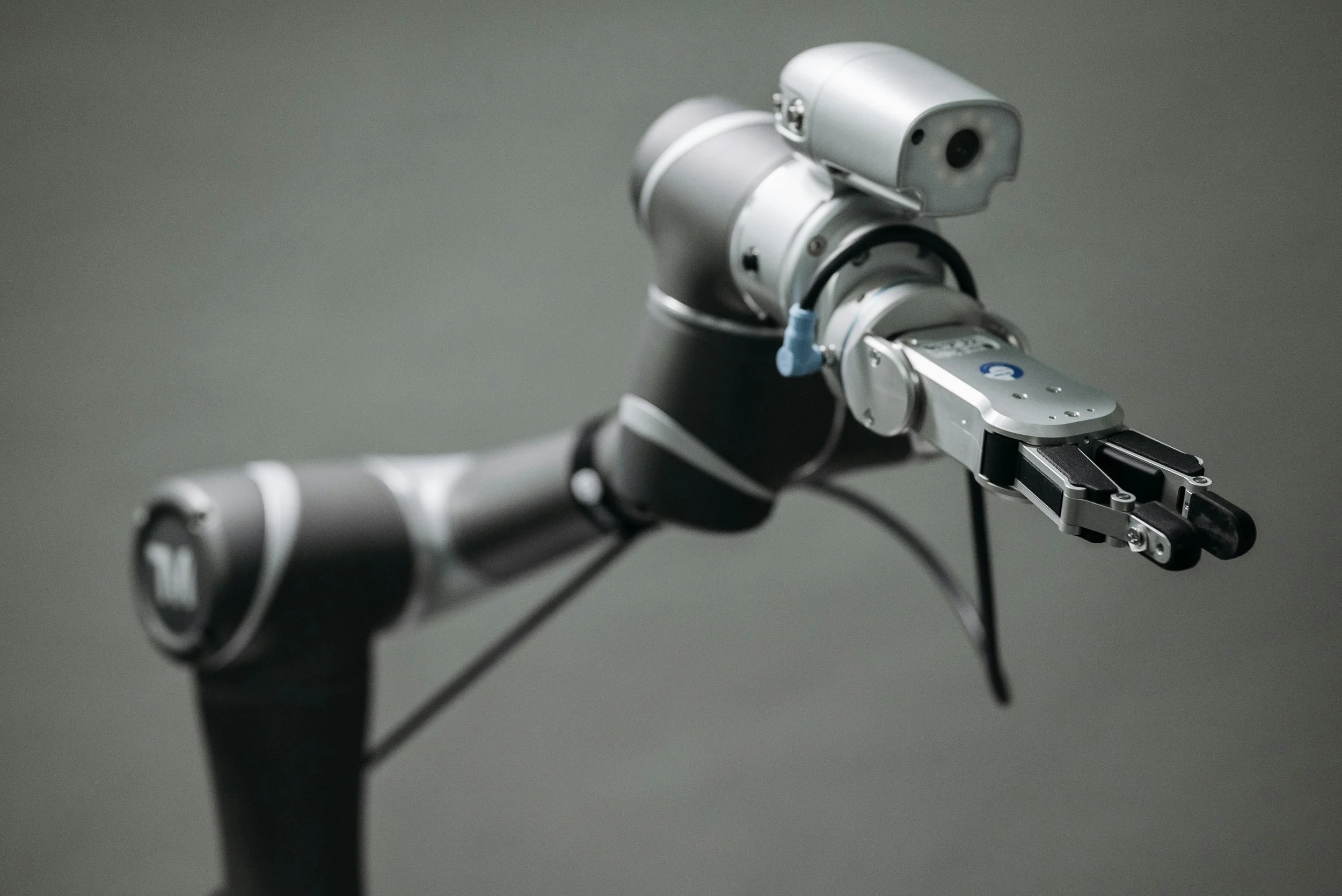
scruffy looking robot arm with optional laser canon


Building a functional agent is less about clever prompting and more about systematic content architecture.


How an Agent Works Behind the Scenes

Although the technical details vary by platform, most agent systems follow a similar workflow.

First, content is ingested and converted into structured text. Next, the system indexes that text so that it can quickly retrieve relevant passages. When a question is posed, the system searches the corpus, assembles the most relevant segments, and passes them to the language model as contextual input. The model then generates an answer conditioned on that retrieved material and on the rules provided by the builder.

The critical point is that retrieval precedes generation. If retrieval fails, generation may still occur — and that is where hallucinations arise.

Because each platform handles indexing, ranking, and context assembly differently, no two agent systems behave identically. All, however, produce answers in the same confident tone.


Confidence, again, should never be mistaken for correctness.


Maintenance and Known Failure Modes

Lady compares her failure modes to those of her refurbished macBook Pro


An agent is not something you build once and forget. It requires ongoing maintenance.


New content must be added. Outdated advice must be retired or labeled. Major shifts in opinion should be date-stamped. Citations should be spot-checked. Hallucinations should be logged and used to refine the system.

Failure modes are predictable. An agent may misattribute quotes, rely too heavily on older material, retrieve incomplete context, or overstep boundaries by offering advice beyond its scope. There is also the human danger of automation bias — the tendency to trust outputs simply because they sound intelligent.

For this reason, I have imposed strict behavioral rules within the system. It must cite sources when referencing my prior statements. It must prefer newer material when contradictions exist. It must admit uncertainty when evidence is insufficient. It must not invent sources.

A good sign your computer is shot


These constraints do not eliminate error, but they significantly reduce risk.


Ethical Responsibilities

a blind greengrocer struggles with her scales


With powerful tools come responsibilities.

Any AI-assisted content should be clearly identified as such. The human creator remains responsible for accuracy, citation legitimacy, and ethical judgment. Sensitive or private material should never be casually included in a corpus without careful consideration of privacy implications.

An agent is a tool. It is not an authority, and it does not absolve its operator of responsibility.


Where This Is Heading
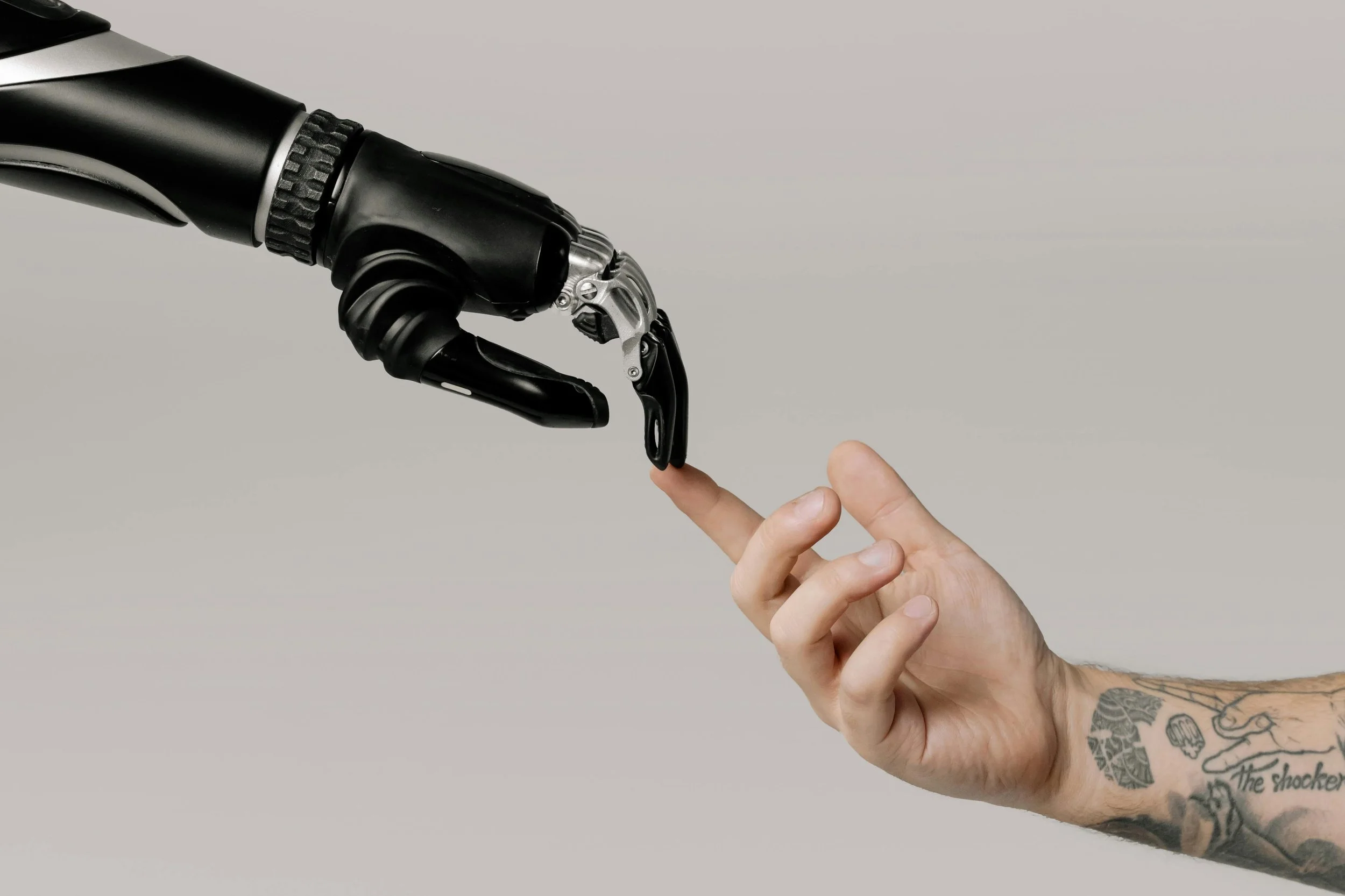
robot maker regrets using superglue to secure robot’s replaced index finger


For many photographers, building a custom agent may not justify the effort. The time investment is significant. But for educators or creators managing large technical archives, the advantage may shift from those who merely possess knowledge to those who can retrieve and apply it efficiently.

Agents should be thought of as apprentices rather than authors. They can fetch, sort, draft, and format. They cannot replace judgment, ethics, taste, or creative vision.

Photography remains a profoundly human act of attention. An agent cannot see for us.

But in the domains of organization, synthesis, and teaching, these systems can reduce friction and extend our reach. Going through this process has not made me a better photographer. It has, however, made me a more efficient educator and a more informed participant in a rapidly changing technological landscape.


For now, that is more than enough.
Summer evening on the gulf


The Week Ahead

Thanks to everyone who commented on the “Transition” series of Livestreams.It was a lot of fun to produce and should be useful to anyone new to field or studio macro photography.
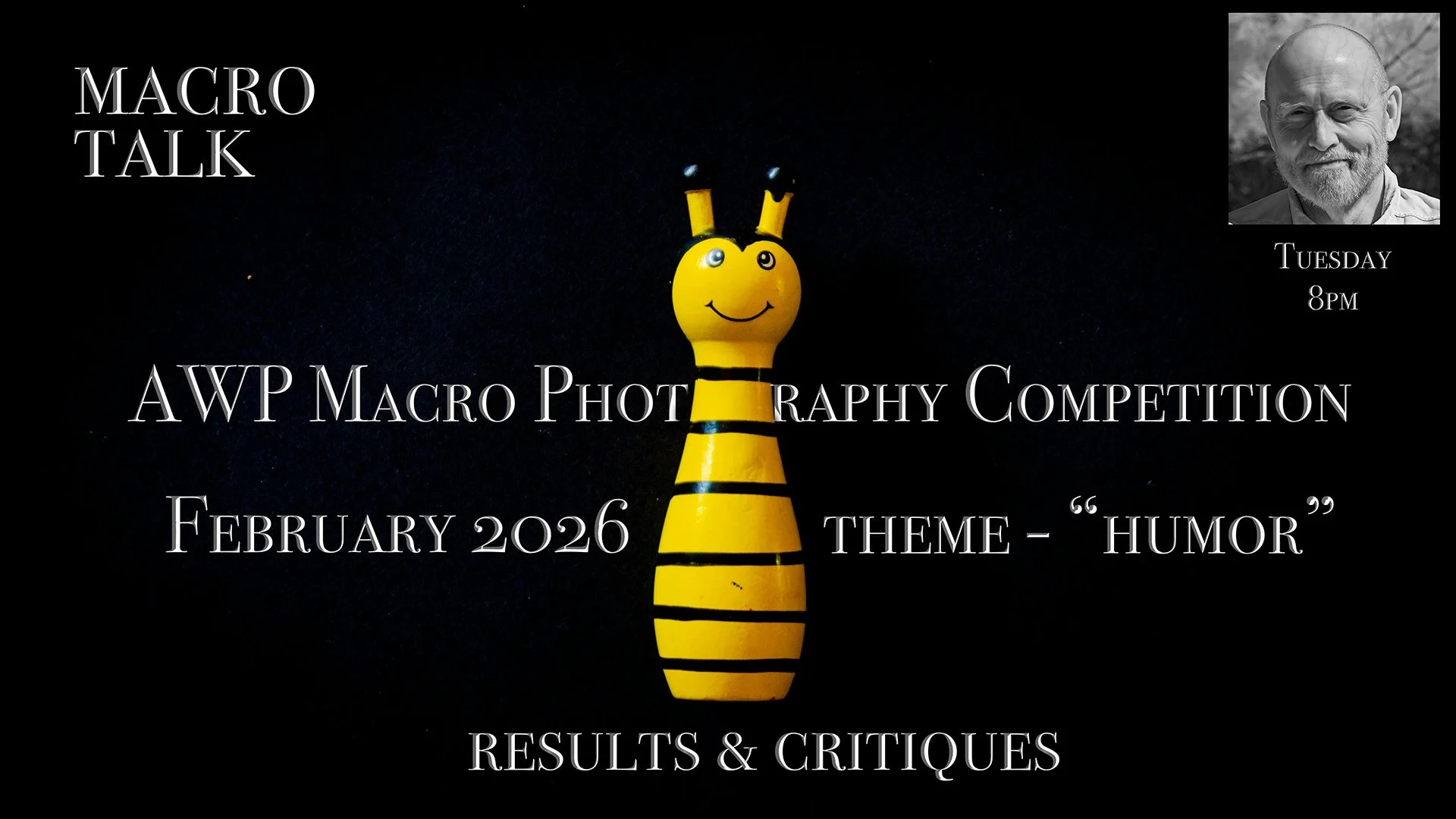

The coming week is going to be fun - the competition from February is over and I am starting the judging process today. It has been quite a while since I did a live discussion of the entries and announced the winners during a Livestream.That is what I am going to start the week with - a Competition Results Livestream - where I will show and discuss every entry and announce the winning images. That will be during Macro Talk, on Tuesday at 8PM. Here is your link… https://youtube.com/live/iyXXlhZJ8sw?feature=share


On Thursday I am going to walk you through the steps of creating your own AI Agent and showing you some of the ways in which this remarkable technology can help a macro photographer take better pictures while becoming more efficient. For more information, see below. This is your link to the the Macro Talk Too Livestream, at 2PM on Thursday afternoon … https://youtube.com/live/FKRqffUP8Js?feature=share
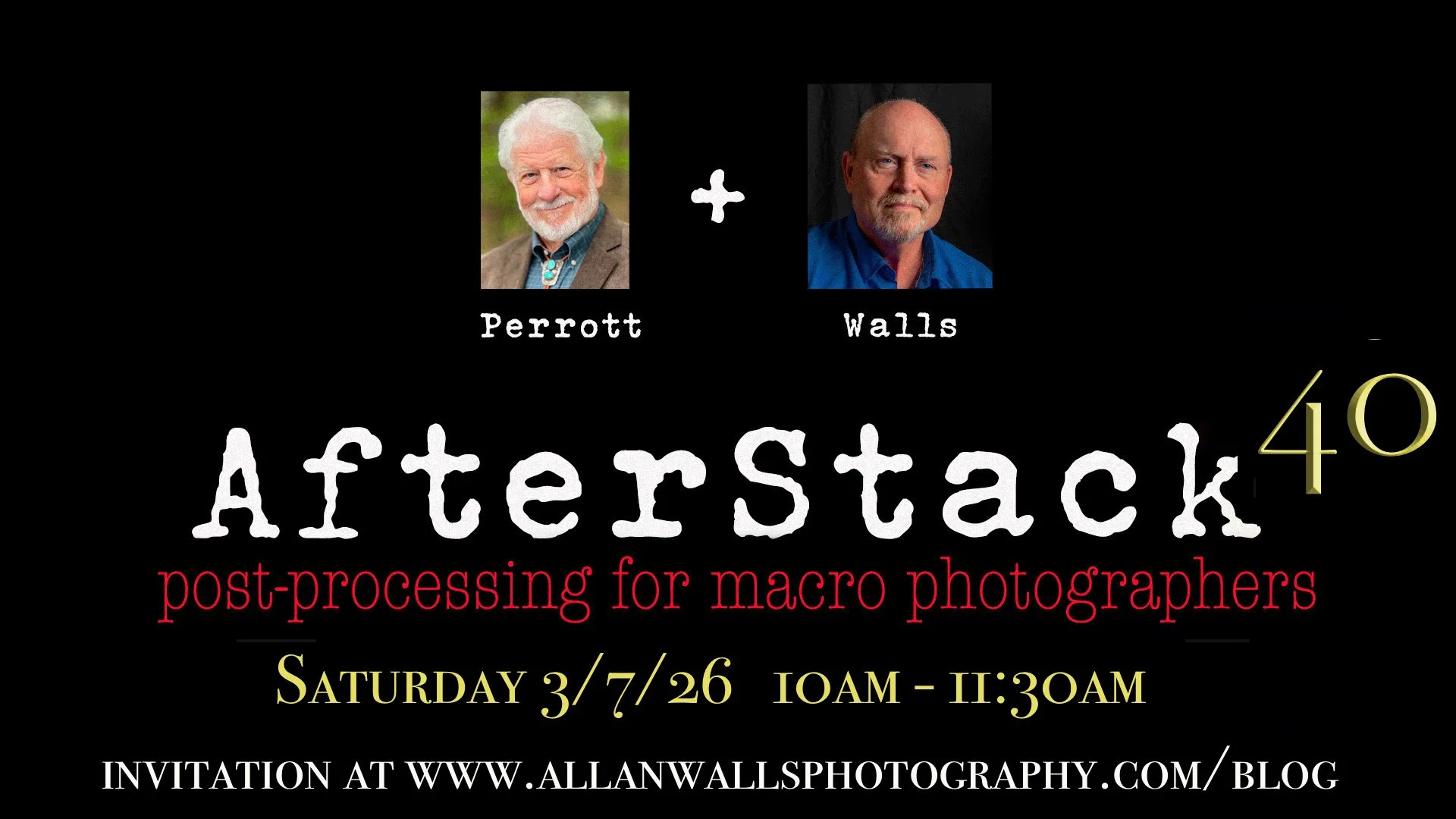

Saturday is the March AfterStack - #40 for anyone keeping track - and we are going to be addressing photoshop techniques for correction of focus stacking artifacts. It is free, it is fun, and here is your invitation…

Allan Walls is inviting you to a scheduled Zoom meeting.

Topic: AfterStack #40 - Correcting Stacking Artifact

Time: Mar 7, 2026 10:00 AM Central Time (US and Canada)

Join Zoom Meeting

https://us02web.zoom.us/j/86060739147?pwd=3nxx1ShFE7WWd4hCpyGyzWE154nzWO.1

Meeting ID: 860 6073 9147

Passcode: 966162

Join instructions

https://us02web.zoom.us/meetings/86060739147/invitations?signature=hGG14MPa8nlIBaoXyHA_marrFscNmf-kNII9EcN3FMI
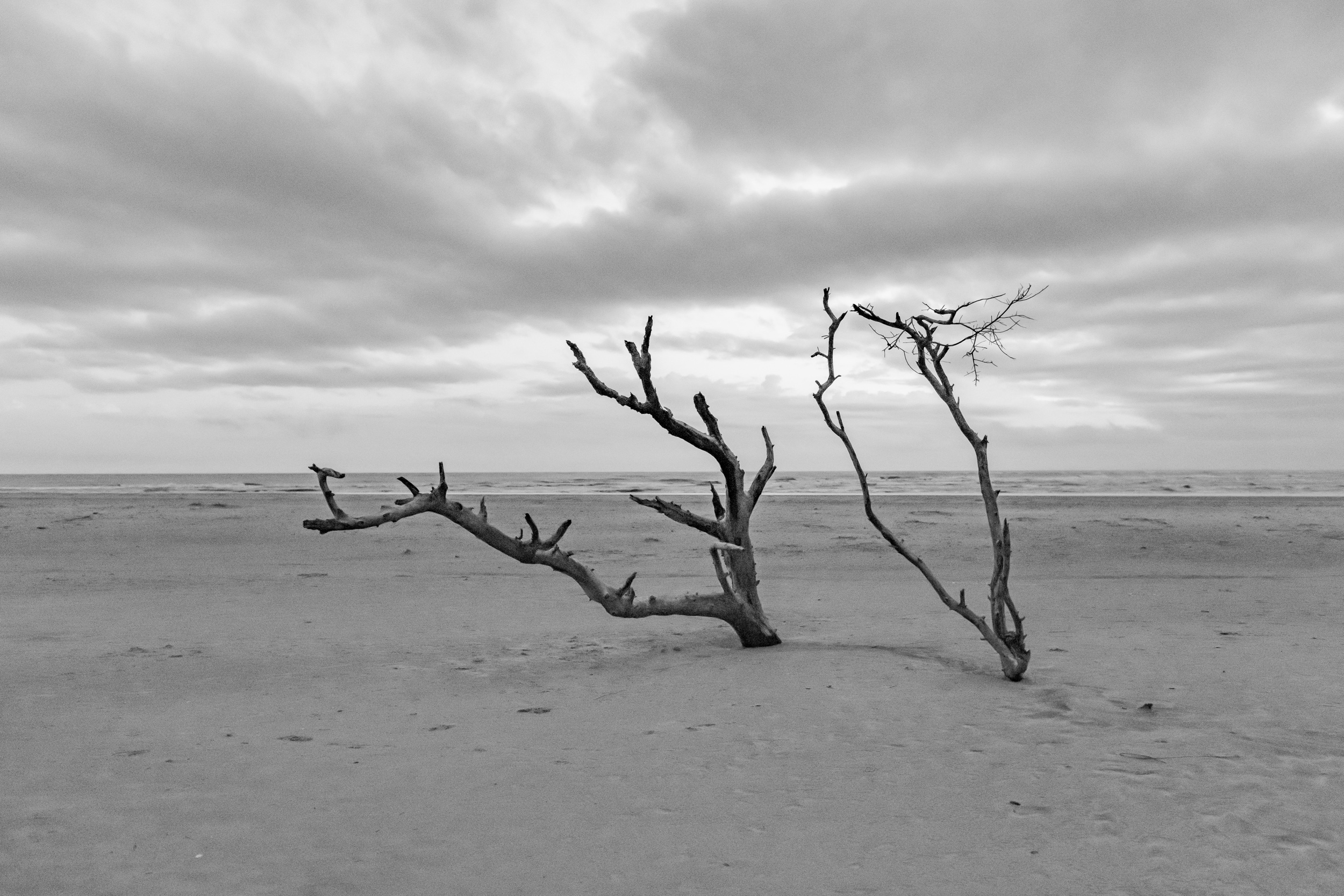
death valley, north carolina


And that is it for this week. We Weill be getting back to mainstream macro next week. I also have an announcement concerning the competition, but to hear that you need to come to Tuesday’s stream! Have a great week!

Allan

The October Competition - Product Photography

A marketing photograph


Good afternoon everyone! I hope you had a lovely weekend, and maybe got a chance to get out and take a few more pictures before summer is gone for the year. It was actually too hot for a lot outdoor activity this weekend in Middle Earth. Not that it would have made any difference if it had been cooler. I did not get out of the studio until late on Sunday afternoon and didn’t get to take any pictures before it was dark.


One of the reasons I was unable to get away was that I was editing the “Lester’s Lightroom” video, featuring friend of the show, Lester Lefkowitz! The editing is complete and I have posted the video to YouTube for everyone to enjoy. Here is a link to the video - https://youtu.be/49dsRxNlIY4

It was a wonderful presentation by Lester and there is a great deal of wisdom and humor packed into the two hour Pzoom meeting. Thanks again to Lester for coming back to visit, and thanks also to my Patreon Supporters for kindly agreeing to the release of this recording, a Patreon  Only Special Event.


Our “Action” competition ends tomorrow evening after Macro Talk, and the results will be shared in Macro Talk Too on Thursday at 2PM. I can’t wait to see your entries and dig into the judging process - here is your link to attend the livestream and be one of the first to hear the results. https://youtube.com/live/3dc1Q4PEBO4?feature=share.


On Tuesday we will be wrapping up the third and final episode of my coin imaging series. In this episode I will be going over many of the advanced techniques used by coin photographers, looking at some of the most exciting new technology that they are deploying. We will also discuss some of the applications these new workflows may have for those of us living in the non-numismatic macro universe. Here is your link to the  livestream, which starts at 8PM on Tuesday. https://youtube.com/live/Obgsit90SN4?feature=share


On Saturday, at 10AM, we have the first of October’s AfterStack episodes. This week it is Bud’s turn to lead the discussion, and I am not completely sure what he is going to bring, but I know he will be most grateful if you could bring a couple of your own images for us to work with. Stay tuned and I will let you know as soon as I have a topic. Allan Walls is inviting you to a scheduled Zoom meeting.

Topic: Allan Walls' AfterStack

Time: Oct 4, 2025 10:00 AM Central Time (US and Canada)

Join Zoom Meeting

https://us02web.zoom.us/j/6916802815?pwd=TS9tZi9ZL1NXeVUvOUF4eTg5YjdlZz09&omn=81795785609

Meeting ID: 691 680 2815

Passcode: 678122

Join instructions

https://us02web.zoom.us/meetings/81795785609/invitations?signature=jao4tVztCqx2HpDfbOj9Khu6aQgMOMEBH98soUhxNck


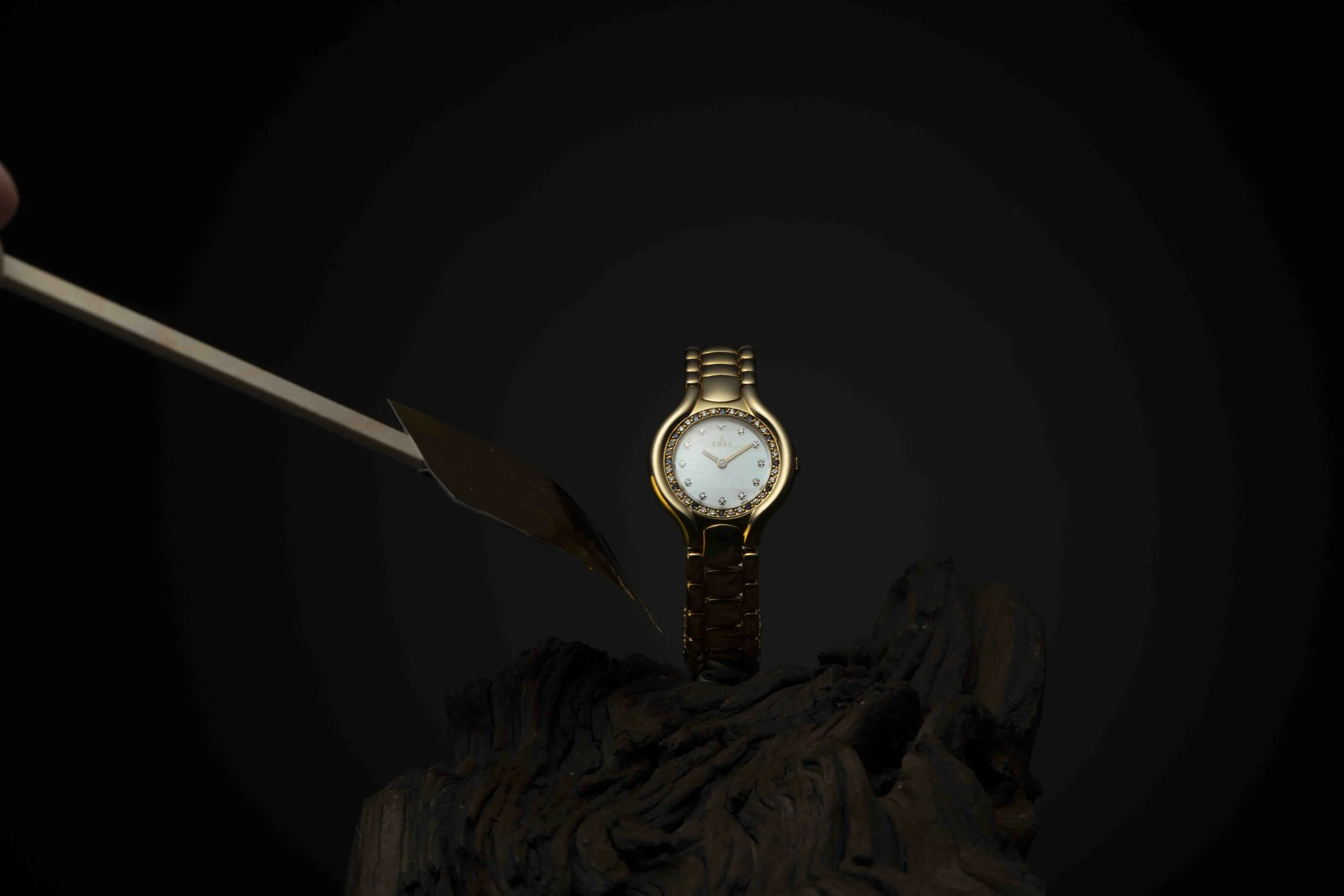
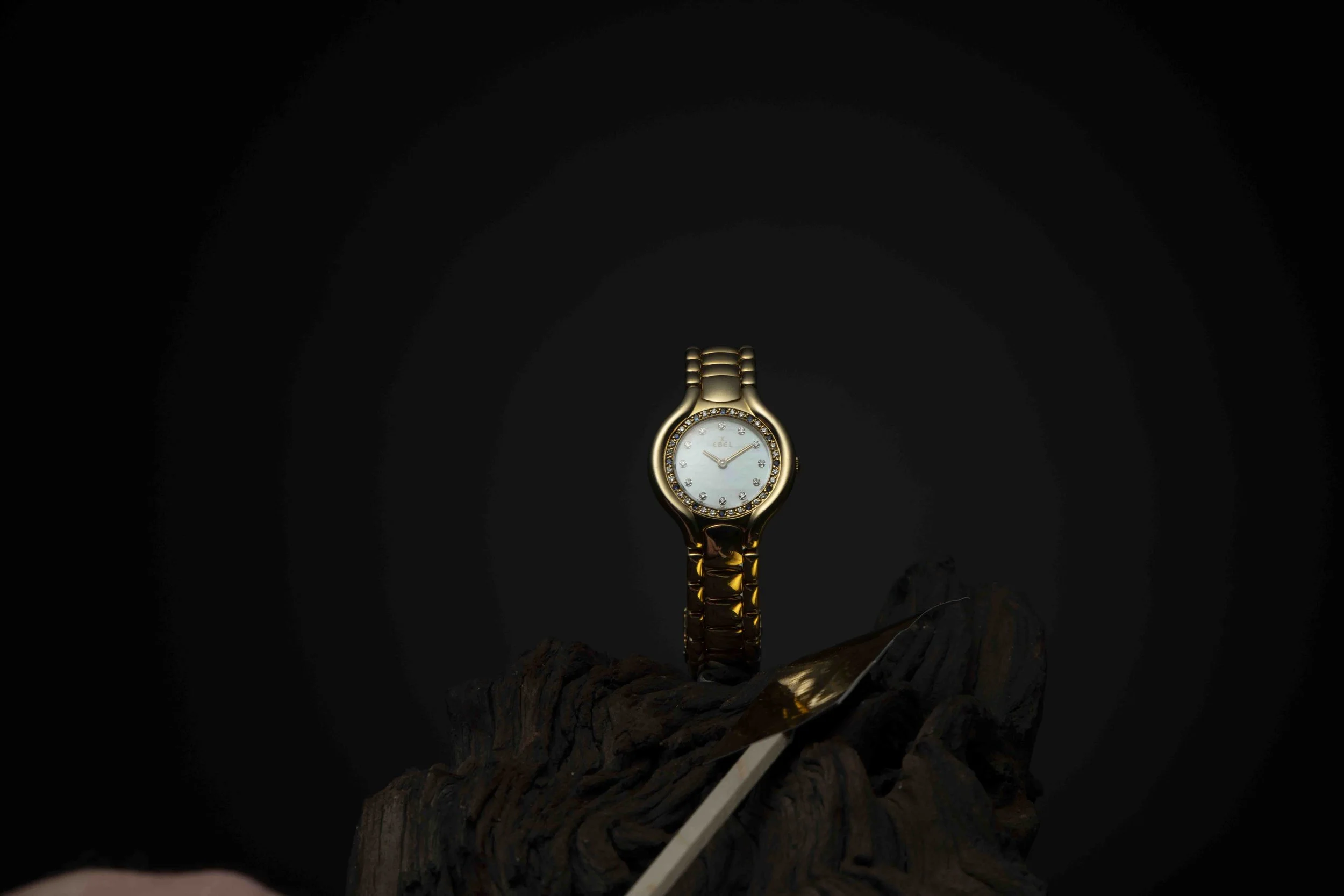
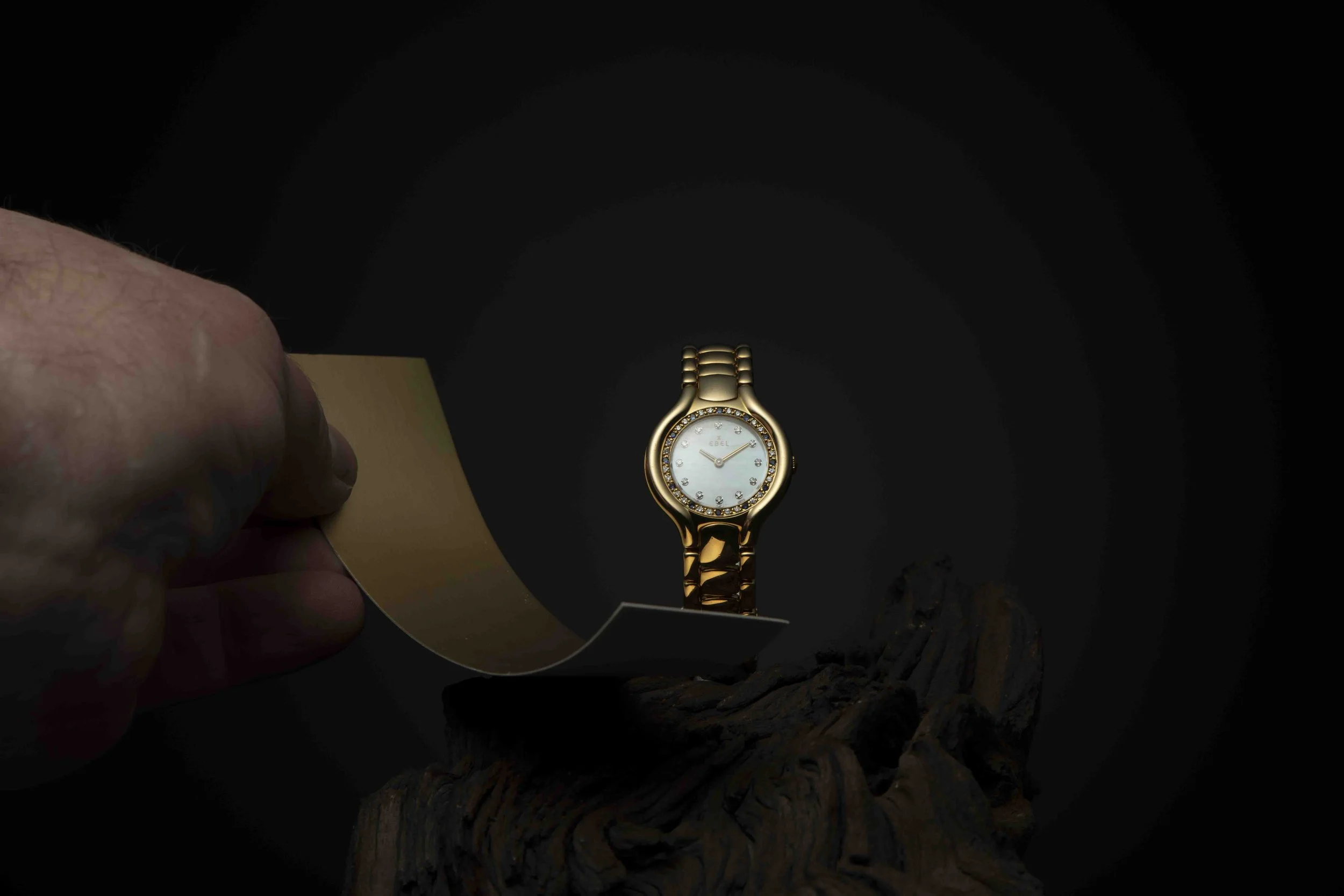
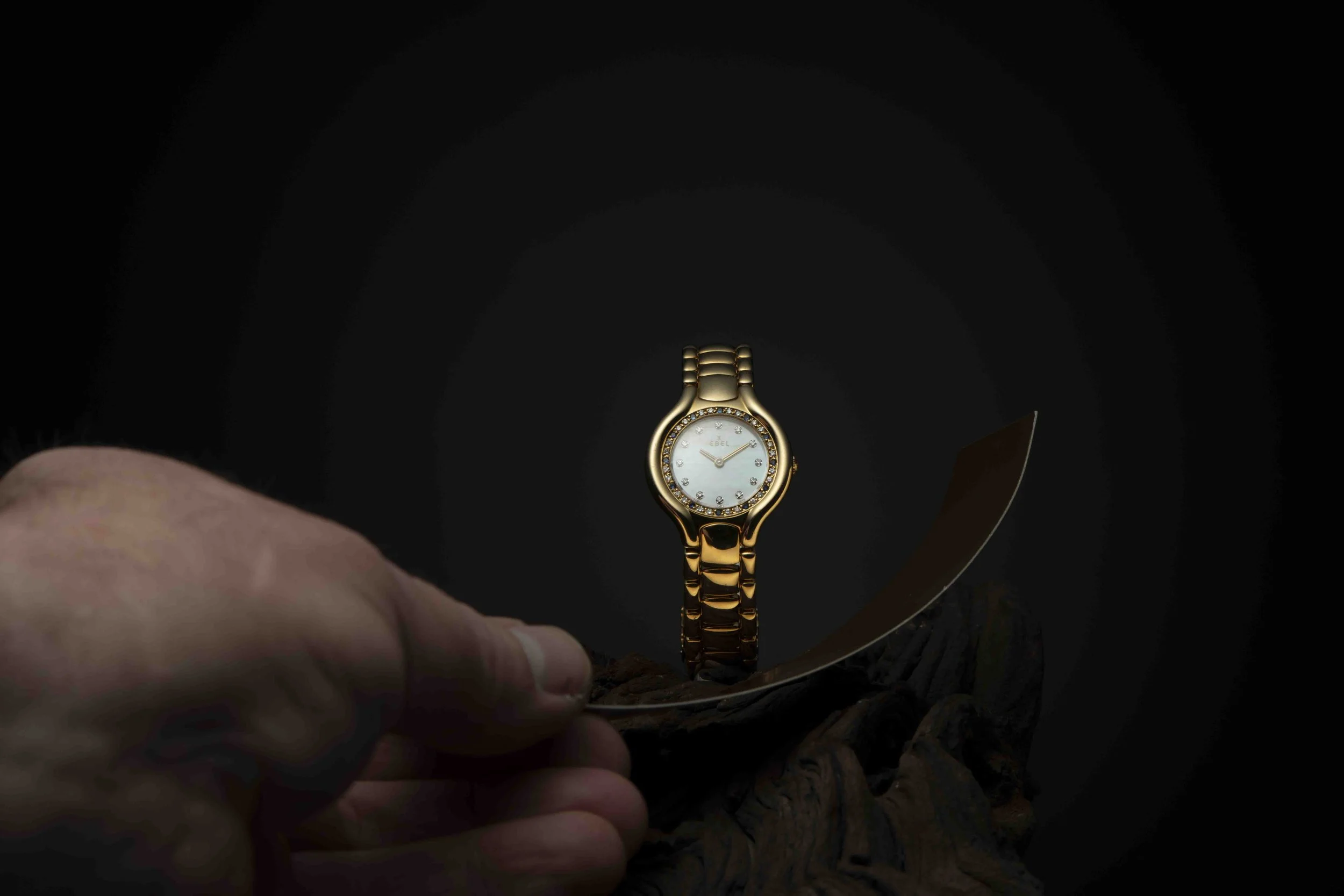
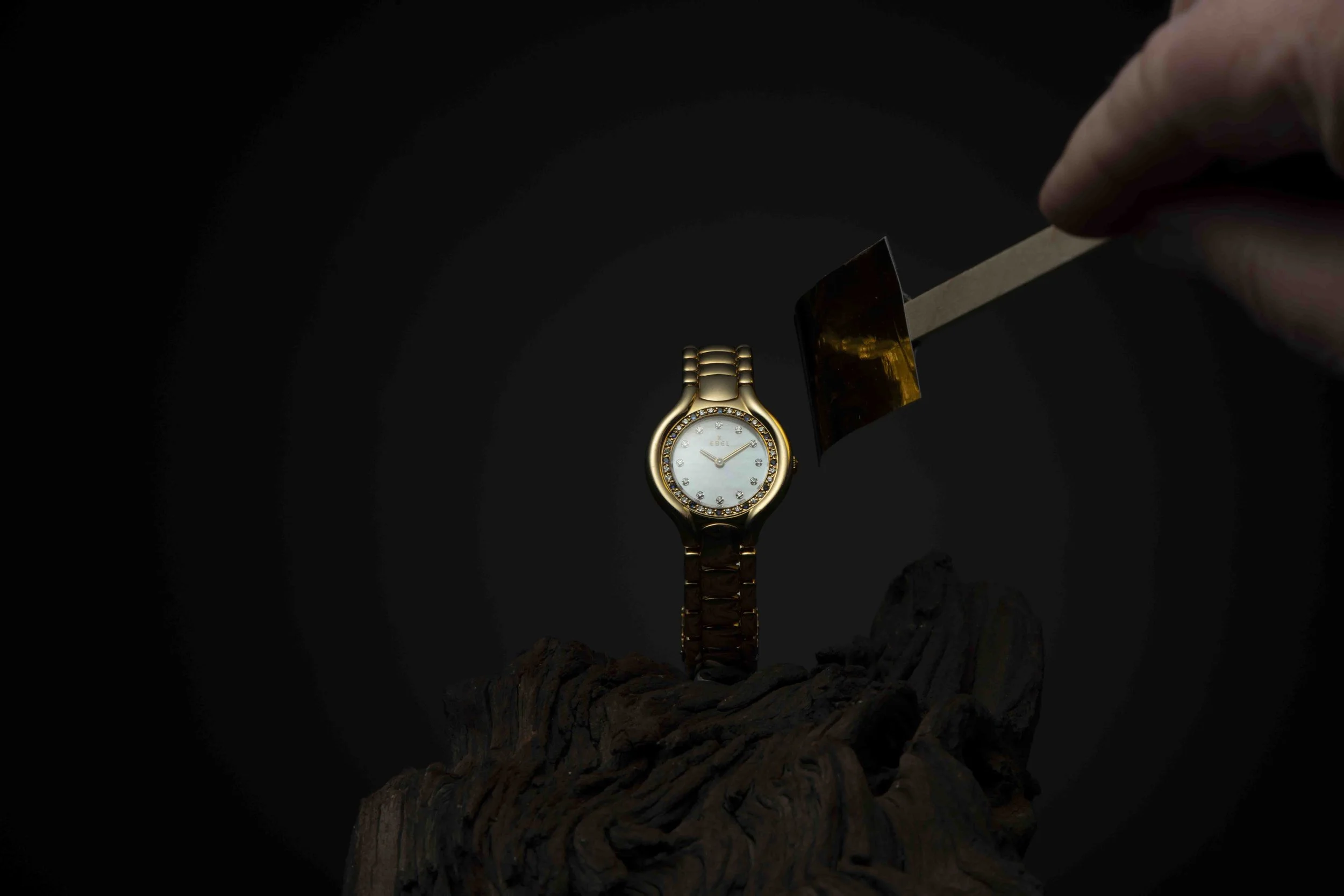
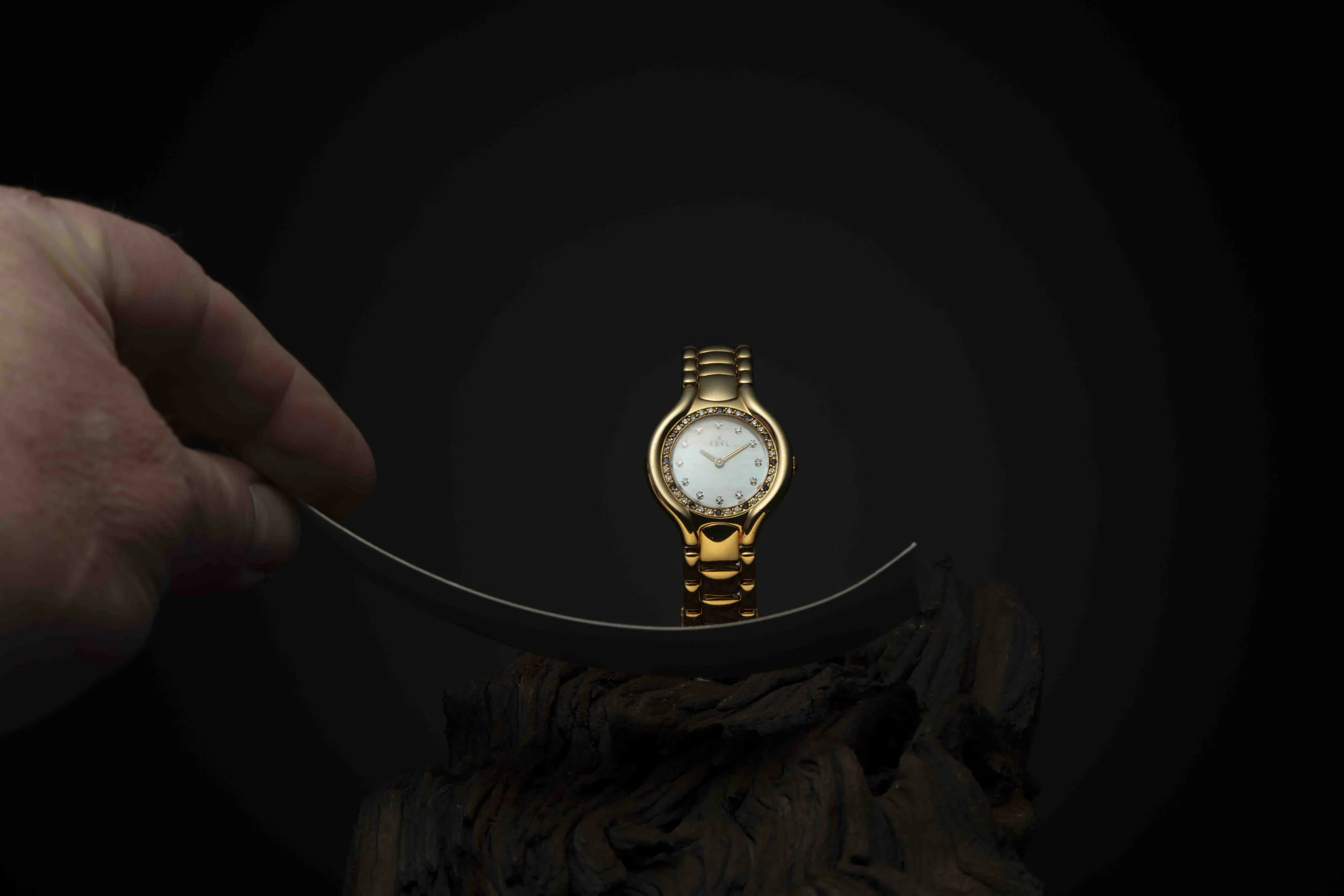
So, with the end of the September we also have the start of the next challenge, and this is going to be a really fun one. I have thought a lot over the years about this theme but have always stepped back from it, for one reason or another. I am going to give you a little bit of information here about this topic, and what the judges will be looking for. To do that I really need to tell you about this particular discipline. For starters, Product Photography is not macro photography, though it can overlap at times. And like macro photography, at least in the studio, it is extremely demanding. The reason it is so demanding is because the people paying for these commercial photographic services demand, and expect, a degree of technical and artistic excellence that is hard to achieve. Colors must be absolutely identical to those a customer will see on the actual product. Every critical feature should be included. Diffraction, noise, and lens aberrations must be nowhere in sight and focus must be perfect. But contracts (and competitions) are won and lost on lighting. Just like in every photographic discipline. Lighting is everything! Below is a series of pictures where light is selectively applied to individual photographs using tiny pieces of gold foil as reflectors.

And this is the resulting photograph, after all the light has been applied

The final image after manual application of light

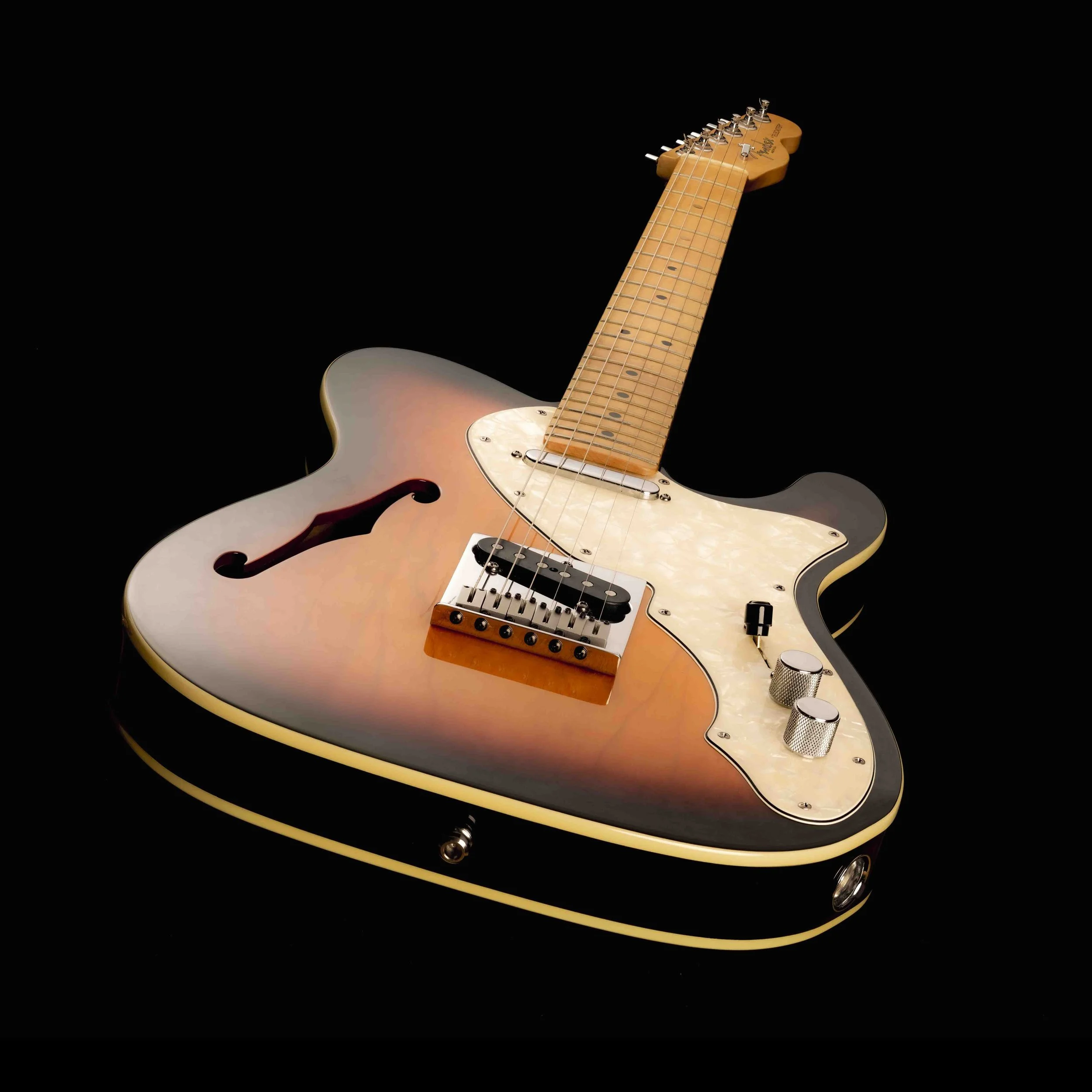
For the sake of this discussion, I will mention some of the types of product photography, so that you will better understand the guidelines for our competition in October. These are my own categories, but they should make sense. The first kind of product shot is the Hero Image - these pictures are the ones that photographers like Carl Taylor will spend a day or two to get the  details of the scene perfect. These jobs leave nothing to chance - the photographer controls every aspect of the process, the light, the camera, the setting, background, and props. The images are expected be perfect because of this.

fender telecaster with all lighting managed in the set up

A typical packshot


The next type of product work involves the rapid acquisition of dozens, even hundreds, of images that will later appear in brochures and in online retail websites. These images are called pack shots, and while they too are expected to show an absolutely accurate depiction of the item, they cannot contain distracting background elements or props. The key to the packshot is establishing an absolutely reproducible setting in which to rapidly place and photograph a bunch of similar products. They are commonly set up on a well lit platform with a perfectly white (occasionally black) background and foreground. The images should be accurate and tastefully lit, with little or no variability for shot to shot. They are often shot with an infinity curved backdrops and reflective foam core panels to direct light where it is needed. Directional lighting, and shadows are avoided, symmetry is perfect, and labels, when present are fully legible. Shooting pack shots is demanding, it does not pay very well, and the set up can be tedious and frustrating.

lifestyle product shot (sort of)


The third category is the lifestyle image. These pictures show the product being used in a way that directly, and indirectly, depicts the product as something you want to own. Lovely setting, attractive models, and a sense of prestige are a few of the tactics the lifestyle photographer will attempt to capture. This kind of photography is a lot of fun to do, but very hard to do well.

A mont blanc fountain pen


The next style is somewhat arbitrary in how it is defined, but is still worth mentioning, and it is the photography of big stuff. I split this out because many of these item cannot be photographed in the average studio and usually require specialized equipment, like larger format cameras, tilt-shift optics, lighting gantries, and a host of other, often very expensive, custom built rigs. These items include airplanes, boats, cars, and anything else you might have trouble getting in the studio. What makes this kind of work so difficult is the expectation that the photographs will have all the same qualities and be at least as good as those shot in the tightly controlled studio setting.

brass vaporizer


Some products are really more like services than tangible objects, and the only way to depict such abstract, insubstantial products is using human proxies. It is a fun way to promote banking or investment  products or healthcare services, but it is well outside the scope of this challenge. In fact, all but one of these disciplines within product photography are outside the scope of this competition which will require that you submit one or two “HERO IMAGES” of your chosen “Product”. From here on, I am talking about the rules and guidelines for this competition, so I will format this using bullet points, for clarity.

Ear buds advertising image

  1. The theme for the October Competition is “PRODUCT”

  2. All size and magnification restrictions are paused for this contest

  3. You are encouraged, but not required, to select a relatively small “Product”. The product you choose may have a direct impact on your scoring, with more difficult products (small, reflective, color branded, highly detailed, etc.) earning higher technical scores for the same performance than would be the case with a less challenging subject.

  4. You will be judged on performance in the following areas:

            A) Composition,

            B) Technical,

            C) Accuracy and effectiveness (how skillfully is your product displayed and how attractive is your depiction of the object to prospective buyers). Emotional impact and storytelling would fall into this category,

            D) Creativity and uniqueness

5.     You may add text to your image, if you believe that doing so will add to the impact or effectiveness of your composition,

  6.      The naming of your image will be considered as a creative element of your submission and could be particularly helpful in the event you have chosen an unusual or ambiguous product,

7.     Failure to comply with the naming convention, explained on the Competition page of my website, will result in the disqualification of that image, and

  8.     You may use any props , backgrounds, or other elements you wish - but it is crucial that the judges  know what the product is.

sungasses


Nothing too difficult or confusing, I hope?

The best way to think about this contest would be to imagine you are competing for a photographer post at an advertising agency and you are taking a few pictures to show the agency that you are perfect for the job. So you would probably want to select  a product that would be relatively easy to shoot well, but one that is at the same time eye-catching and memorable in some way. You would assume that every potential applicant will submit a technically flawless picture, so that would be your highest priority, as a technically perfect picture is a necessary condition but, by itself, not a sufficient one. You need more to get the job and you will need more to win first place in this competition.


I have been asked to show some of my pictures when announcing the competition theme for the month. That is a reasonable  ask. The pictures included in this discussion  of the PRODUCT contest are all examples of my product photography                                                                                                                                                   

Shooting Horses

One of the Belgians, warming up


I hope you had a lovely weekend and had a little less snow, ice, and bitter cold than we did here in Middle Earth. It is supposed to warm up into the mid-teens this week - time to dig out the shorts and tee shirts!

These monsters don’t look very agile - until they do!


I spent a wonderful Saturday in Rantool, Illinois, a little town a few hour to our south, photographing a horse auction. I don’t know how I could have been alive these 45 years without knowing  that we shared the planet with a species of horse that is only slightly smaller than a brontosaurus.

Spectacular animals

They are known as Belgian horses, even though none of the ones I met spoke a word of French. But they are quite enormous - I estimated them to be roughly 30 feet tall, but I am not good at such estimates. They were quite majestic and very beautiful when standing still. When they start to walk they look a little more like a World War I tank of some kind, and make abut as much noise. The noise comes from their metal feet, which they do not seem particularly happy about. They are about as graceful when walking on concrete as a fork lift falling down an elevator shaft, but when they were moved onto the soft earth and began to trot, they appeared to float effortlessly, in defiance of gravity, around the vast indoor oval.


The farmers who were buying and selling these magnificent animals were Amish, and a hardier group of individuals than any I have previously encountered. They appeared to be immune to the bone chilling temperature and were far more warm and welcoming than the vast barn-like building in which the auction was held. The Amish, I have been informed, are not big fans of the electron, which would have been a deal breaker for me, in the unlikely event they had invited me to join their merry band. Making up for their lack of interest in technology, these happy men and women seemed to love hard work. The young men tending to the horses never paused in their laboring, and as you will see from any of these images, the result of their effort was an arena packed to the rafters with equine excellence.


And what does any of this have to do with the activities scheduled for this week, you may ask? Nothing at all really, but I wanted you to know why there were several photographs of horses scattered throughout a blog post on a macro photography website. And now you know!

Hats off to these hardworking cowboys


We kick off this week with something unusual. On Tuesday’s Macro Talk I am going to address a seldom discussed subject that I think may be useful to the newer members of the audience.

It is titled “Timing” (and can be found here - https://youtube.com/live/xqK_QXs-Bzs?feature=share) but it is probably not what you are thinking. I will attempt to answer questions like, when “should I buy a focus rail?”, “When do I go from extension tubes to a microscope objective?”, “How will I know that it is time I thought about getting a lesson or two?”, and so on. I will talk about most of the big decisions we make during our macro experience and give you my thoughts on when the time is right to take the plunge. It should be fun as this is something I have been meaning to talk about for some time.

So graceful!


On Thursday, at 2PM, we have another MacroTalkToo coming up and I plan to use this time to get caught up on the backlog of questions that have been accumulating in my various messaging apps.

There will be plenty of time to any questions from the audience, but I think we can cover a lot of interesting material in one hour. Please plan on joining us this Thursday - the link is here - https://youtube.com/live/xS5l0SKMQrY?feature=share


Saturday is another Pzoom - a two-hour face to face conversation with my Patreon supporters. I do this every other Saturday and they are usually a lot of fun.

A great opportunity to  ask questions, show off cool pictures or new gear, and get to know one another. I love these Pzoom meetings and I always get something out of the gatherings. The invite is over on the Patreon page - https://www.patreon.com/allanwallsphotography.


Immediately following the Pzoom meeting is Tangent - a 3D modeling and printing discussion forum that is led by Larry Strunk and that is open to anyone who would like to attend.

It also is a lot of fun and a great way to spend a snowy Saturday afternoon. Here is the invitation - I hope you will come by and join in the festivities!

Allan Walls is inviting you to a scheduled Zoom meeting.

Topic: Tangent

Time: Jan 18, 2025 12:30 PM Central Time (US and Canada)

Join Zoom Meeting

https://us02web.zoom.us/j/6916802815?pwd=TS9tZi9ZL1NXeVUvOUF4eTg5YjdlZz09&omn=83452232753

Meeting ID: 691 680 2815

Passcode: 678122


And talking about festive events, I plan to release the next installment of AfterStack, with Bud Perrott.

It was recorded while I was away shooting horses and I have not had a chance to watch it yet, but I am sure it will be excellent! Here is a link to the recording - https://youtu.be/eNzNWazeFcI


There are quite a few projects in the works and some waiting to begin, but you can expect to see several new videos in the coming weeks - more on them later.


I would like to wrap things up this week with a non-horse image. This is a piece of art that may be familiar to many of you, though on closer inspection you may see some subtle differences between this version and the original, a painting by Salvador Dali titled “Geopoliticus Child Watching the Birth of the New Man”.

A poster of this amazing painting was permanently installed over my bed as a young man. It was the first thing I saw every morning and the last at the end of every day. My dear friend and source of inspiration, Patrick Stahel, took time out of his hectic Swiss schedule to add an extra figure to this painting, which he then framed and sent to me for a Christmas gift. In the package was a wonderful letter that was far too flattering to share, and a small mountain of Swiss chocolate, too delicious to share. A photograph of the painting is presented above. I hope you enjoy it as much as I did. Thank you Patrick!

And that, my friends, is it for another week! I hope to see you at an event or two. Stay warm - not much longer and Spring will be here!

Allan